Experience and Feel, not just travel

Buddhist Journey

Nepal is a land where Buddhist heritage is not confined to ancient monuments or historical sites—it continues to live through stupas, monasteries, meditation places, rituals, festivals, sacred art, and generations of practitioners.

From the birthplace of Shakyamuni Buddha at Lumbini to the ancient stupas and monasteries of the Kathmandu Valley, Buddhist pilgrimage in Nepal offers many ways to encounter the Dharma.

You may notice that our journeys are presented through Mahayana, Vajrayana, Common Buddhist Heritage, and Monastery Pilgrimages. These are not separate religions or barriers between Buddhist communities. Rather, they reflect the different traditions, practices, interests, and spiritual experiences that have developed through the long history of Buddhism.

A Mahayana practitioner can visit a Vajrayana sacred site. A Vajrayana practitioner can visit a Mahayana pilgrimage place. And anyone—Buddhist or not—can explore Nepal’s shared Buddhist heritage with respect and an open heart.

Choose the journey that speaks to your interests, and discover how these different paths remain connected through the Buddha’s teachings of wisdom, compassion, and liberation.

Buddhist Journey

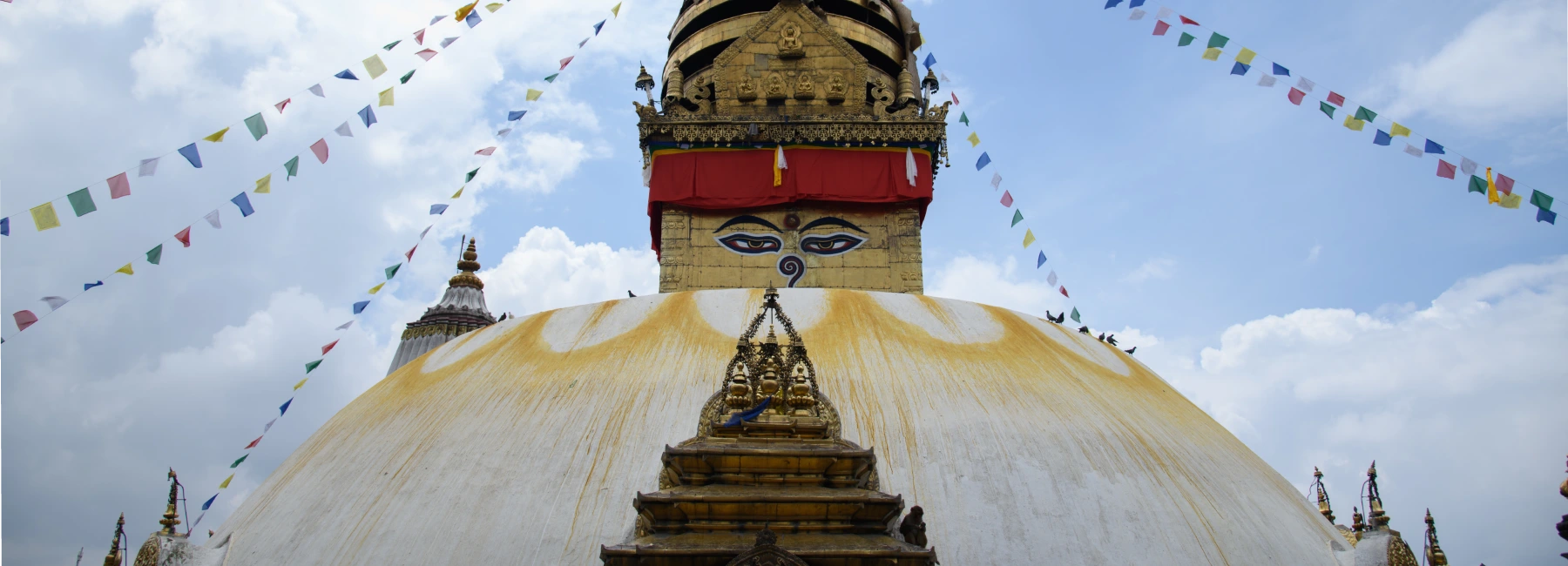
Mahayana Buddhism Pilgrimage Tour

Explore More Packages

Buddhist Journey

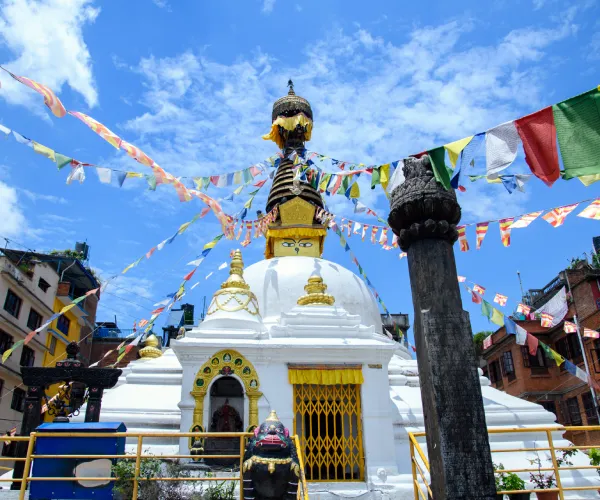
Vajrayana Buddhism Pilgrimage Tour

Explore More Packages

Buddhist Journey

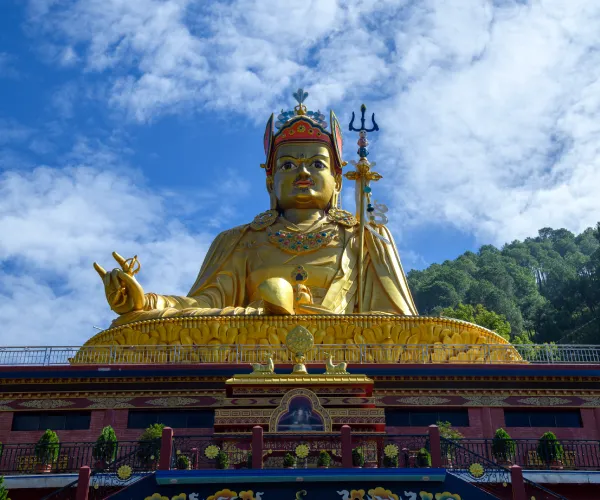
Common Buddhism Pilgrimage Tour

Explore More Packages

Buddhist Journey

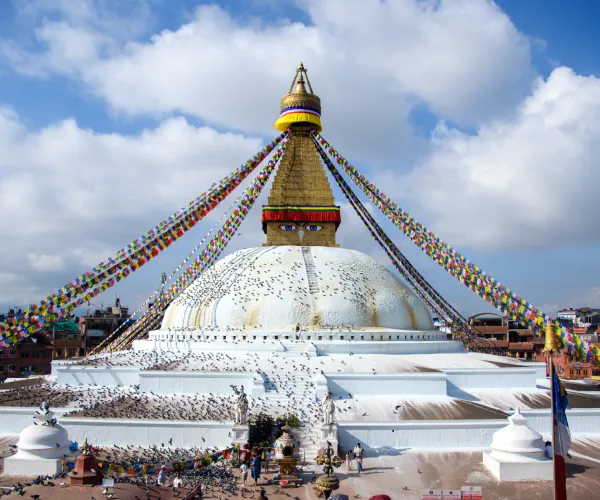
Buddhist Monastery Pilgrimage Tour

Explore More Packages

Buddhism began with the teachings of Shakyamuni Buddha and gradually spread across different regions of Asia. As the Dharma travelled through Nepal, India, Bhutan, Tibet, China, Central Asia, East Asia, and other parts of Asia, different traditions, philosophical approaches, meditation methods, rituals, languages, and cultural expressions developed.

Mahayana and Vajrayana therefore should not be understood as completely separate religions. Vajrayana developed within the broader Mahayana Buddhist environment, while different Buddhist communities developed distinctive ways of studying and practising the Dharma.

For a traveller, this diversity is not a reason to build boundaries. It is an invitation to understand the many ways Buddhism has been lived and transmitted across generations.

Yes. A Buddhist pilgrimage does not require a traveller to limit themselves only to sites associated with their own tradition.

A Mahayana practitioner may visit a Vajrayana monastery, meditation cave, or sacred temple. A Vajrayana practitioner may visit Lumbini, a Mahayana temple, a great stupa, or another place associated with the wider Buddhist heritage.

Many sacred places have significance across different Buddhist communities, while some sites have particular importance within a specific lineage or tradition.

The key is respect for the history, practices, and customs of each sacred place.

There is a beautiful way to understand Buddhist diversity.

Imagine a great tree.

Its roots represent the Buddha’s awakening and teachings. Its trunk represents the continuing transmission of the Dharma. Its branches represent the different Buddhist traditions that developed across time and cultures.

The branches may look different, but they remain connected.

In Nepal, this interconnectedness can be experienced through ancient stupas, Newar Buddhist mahaviharas, Tibetan monasteries, pilgrimage sites, meditation caves, temples, rituals, and communities that continue to practise Buddhism today.

A journey through Nepal can therefore become an opportunity not only to see different Buddhist traditions, but to understand their relationships.

You do not need to be a practising Buddhist to experience a Buddhist pilgrimage in Nepal.

Some travellers come as devoted practitioners. Others are interested in Buddhist philosophy, meditation, history, architecture, art, or culture.

Some come seeking a quieter experience, while others wish to understand the living traditions behind Nepal’s sacred places.

Our Buddhist journeys are open to people from different backgrounds. You are not expected to change your beliefs or adopt a particular Buddhist tradition.

Come to learn.
Come to reflect.
Come to experience.
Come with curiosity and respect.

A Buddhist pilgrimage can be much more than sightseeing.

Depending on the journey, you may experience:

Sacred Sites
Ancient stupas, temples, monasteries, meditation caves and pilgrimage places.

Buddhist Philosophy
Stories, teachings and ideas that provide deeper meaning to the places you visit.

Meditation & Mindfulness
Opportunities to pause, reflect and experience contemplative practices.

Rituals & Prayer
An introduction to living Buddhist practices, offerings, prayer and sacred ceremonies where appropriate.

Buddhist Art & Architecture
Stupas, sculptures, paubha paintings, murals, mandalas and traditional Buddhist architecture.

Monastic Life
An opportunity to understand the daily world of Buddhist monks, nuns and monastic communities.

Living Heritage
The people, festivals, traditions and communities that continue to keep Nepal’s Buddhist heritage alive.

Whether your interest lies in Mahayana Buddhism, Vajrayana Buddhism, shared Buddhist heritage, or Buddhist monasteries, there is more than one way to begin your journey.

You do not have to choose one tradition because another is closed to you.

Instead, choose the journey that reflects your interests, and allow Nepal’s sacred landscape to reveal the connections between its many Buddhist traditions.

The journey may begin with a sacred place, but its meaning can continue long after you leave.

Nirvana Journey is the dedicated spiritual travel division of Asia Buddhist Tours & Treks, specializing in authentic Buddhist pilgrimages, sacred journeys, and transformative experiences across the Himalayan region asiabuddistours.com

Contact us