The Lumbini Buddhist Pilgrimage Tour – Birthplace of Lord Buddha encompasses a constellation of sacred sites that together tell the story of the Buddha’s life, heritage, and enduring influence. From the serene Maya Devi Temple, marking the very place of Siddhartha’s birth, to the reflective waters of Pushkarini Pond, each location offers pilgrims and travelers an opportunity for meditation, historical insight, and cultural appreciation. Visitors will explore the Ashokan Pillar, monastic zones of international communities, and the wider Shākya landscape including Tilaurakot, Kudan, Sagarhawa, Gothihawa, Niglihawa, Ramagrama, and Aurorakot. Each site is not only historically and archaeologically significant but also spiritually resonant, forming a coherent pilgrimage experience that guides the visitor through the beginnings of awakening, continuity of devotion, and the ethical and cultural tapestry of early Buddhist life.
Maya Devi Temple Lumbini Sacred Tour: The Heart of Buddha’s Birthplace
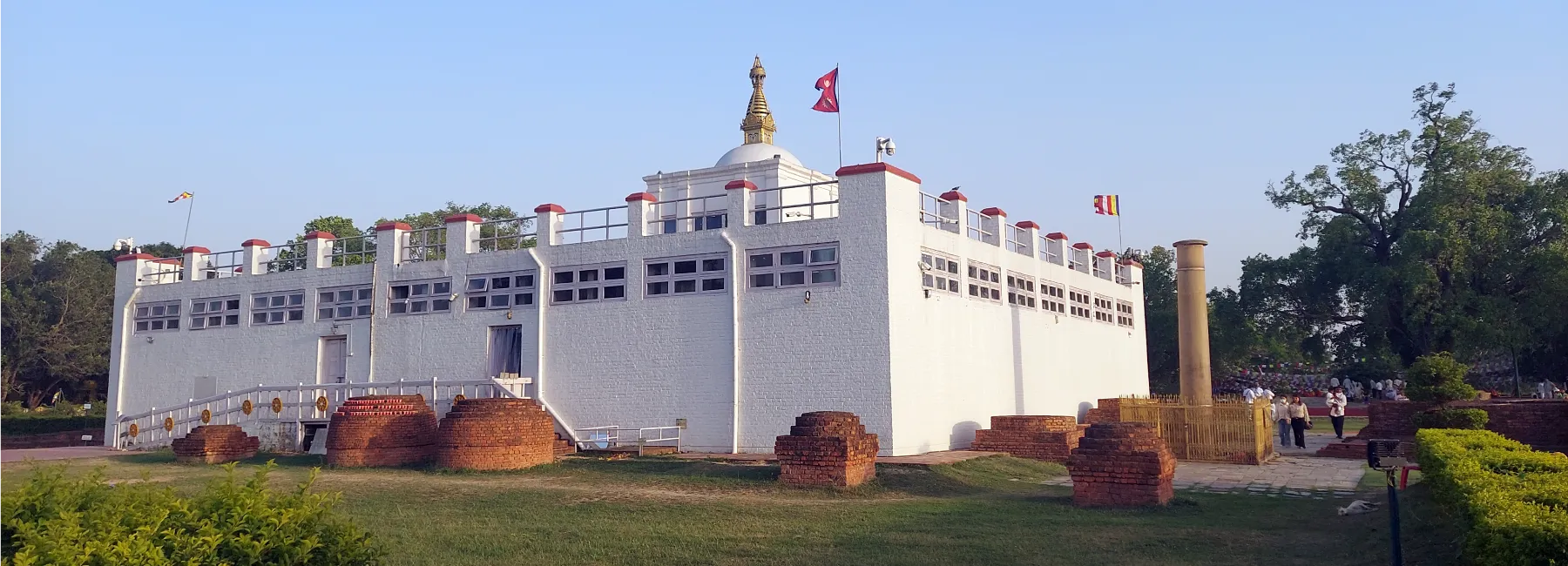
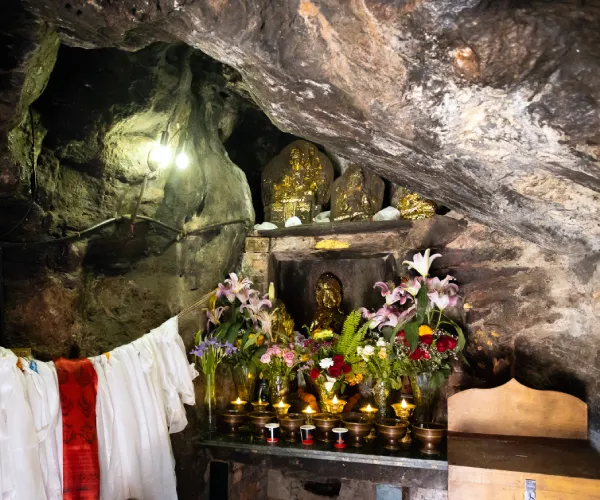
At the center of Lumbini stands the Maya Devi Temple, marking the exact location of Siddhartha’s birth. Within the temple, a marker stone identifies the sacred spot, while layers of ancient brick foundations beneath reveal centuries of devotion and architectural care.
The temple’s understated design emphasizes presence over spectacle, encouraging pilgrims and visitors to approach with mindfulness and reverence. The simplicity reflects Buddhist principles of non-attachment and humility, reminding all who enter that sacredness resides in awareness, not ornamentation.
Here, one contemplates the Buddha’s human beginning, connecting with the continuity of devotion that has persisted across generations.
Pushkarini Pond (Maya Devi Pond) Lumbini Tour for Reflection and Meditation
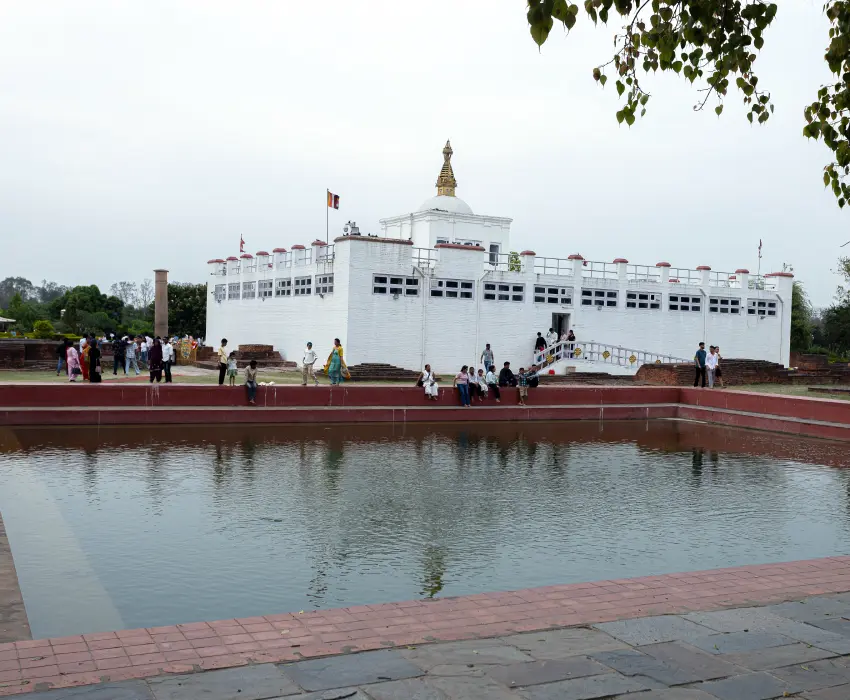
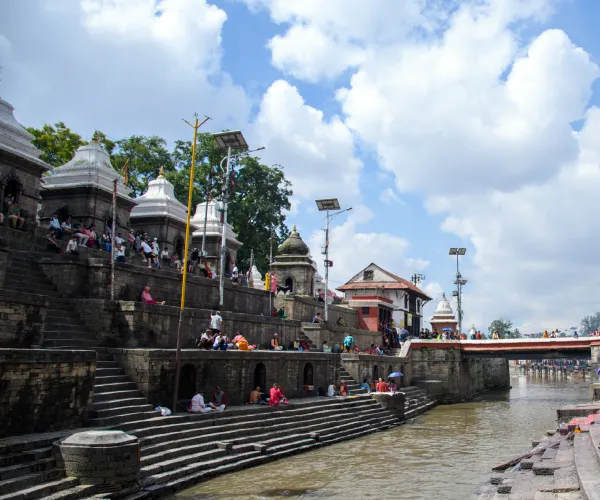
Adjacent to the temple lies Pushkarini Pond, or Maya Devi Pond, a sacred water body intimately associated with the birth narrative. Tradition holds that Queen Māyādevī bathed in these waters before giving birth, and that the infant Siddhartha was ritually washed here.
In Buddhist symbolism, water represents clarity, purification, and the reflective nature of consciousness. Pilgrims can pause by the still waters to engage in meditation, reflection, or silent observation, contemplating both the Buddha’s human origin and the potential for insight within all beings.
Archaeological studies confirm that the pond has been maintained carefully over centuries, with stone steps allowing access for ritual practice and reflection. Today, it remains a central focus of contemplative tours in Lumbini.
Ashokan Pillar and Historical Significance in Lumbini Buddhist Pilgrimage Nepal
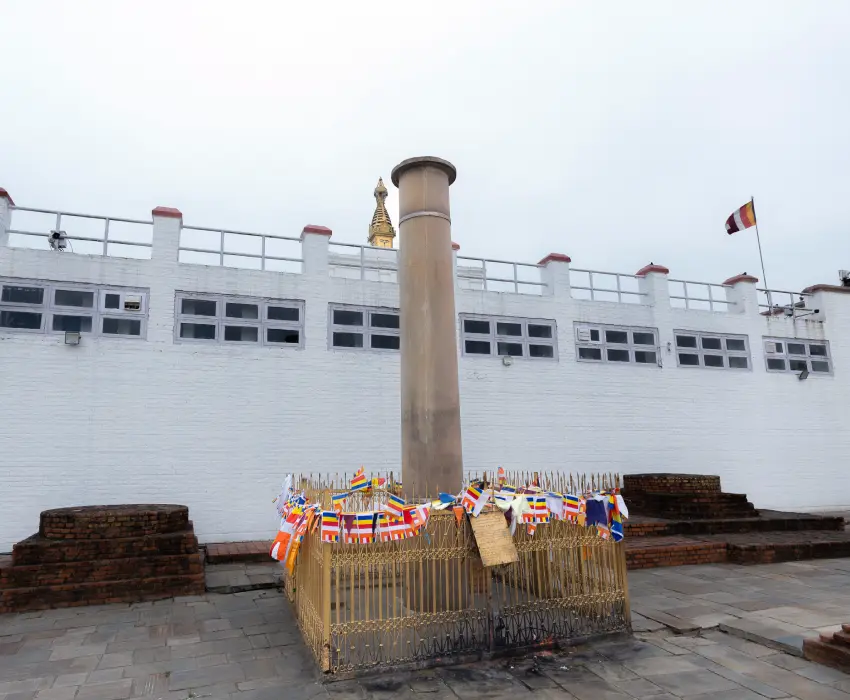
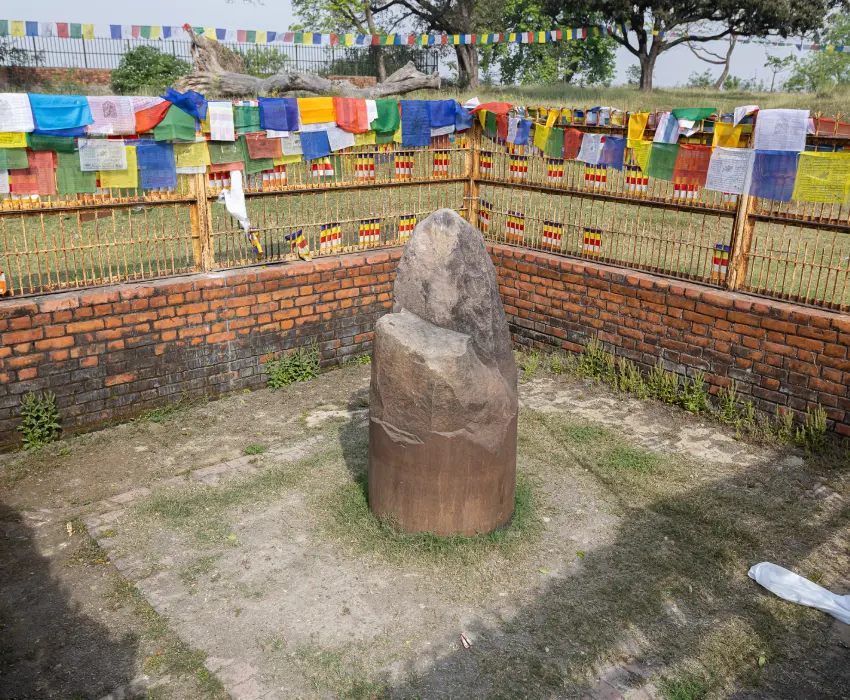
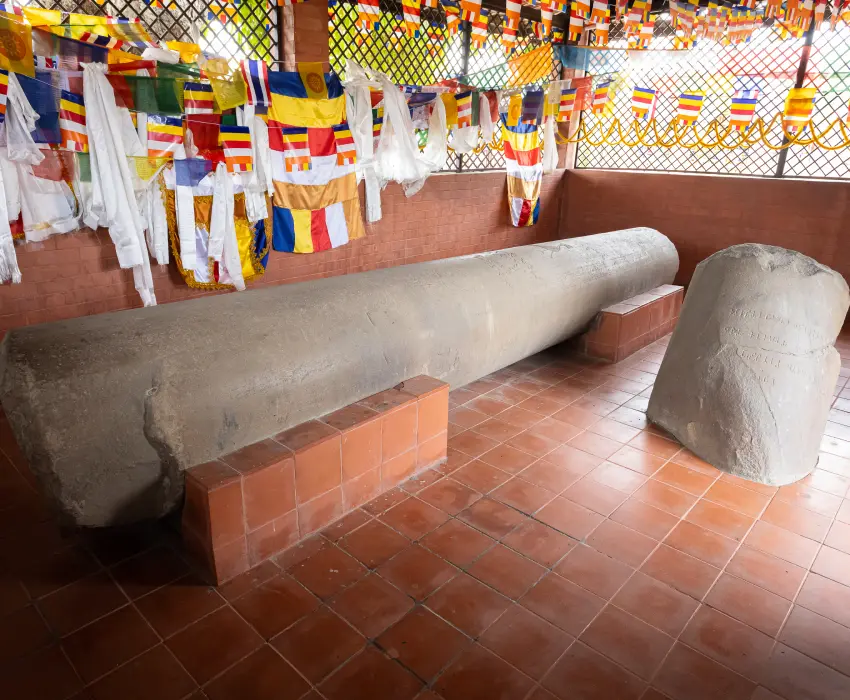
Standing beside the Maya Devi Temple, the Ashokan Pillar is a profound testament to the intersection of history, ethics, and devotion. Inscribed by Emperor Aśoka, it confirms the sanctity of Lumbini and illustrates how imperial authority recognized and protected spiritual heritage.
For pilgrims, the pillar is more than stone; it is a reminder that sacred places require care, recognition, and stewardship. For historians, it offers one of the most concrete epigraphic confirmations of early Buddhist pilgrimage, linking memory, ethics, and historical continuity.
Monastic Zones and International Monasteries in Lumbini Sacred Tour
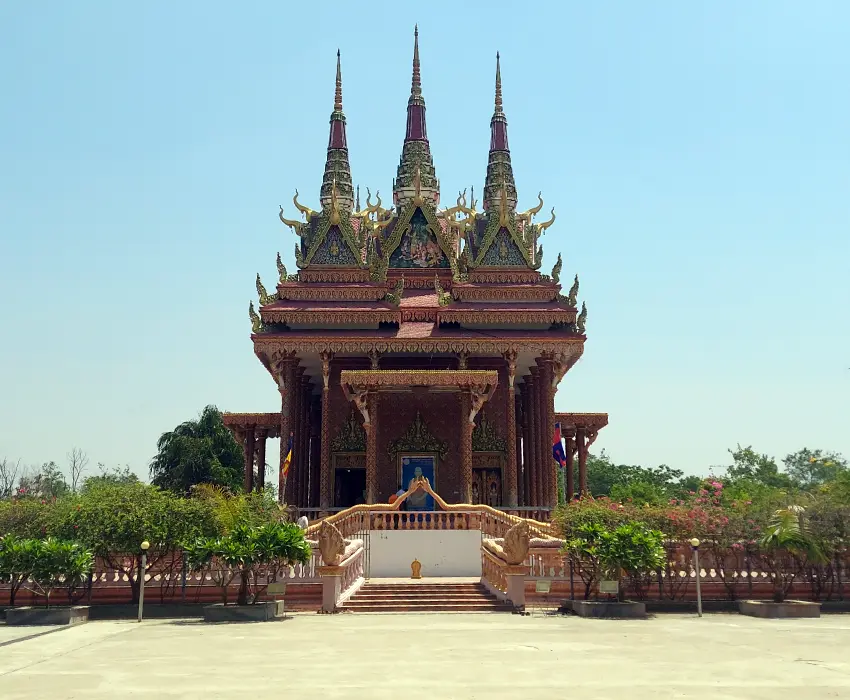
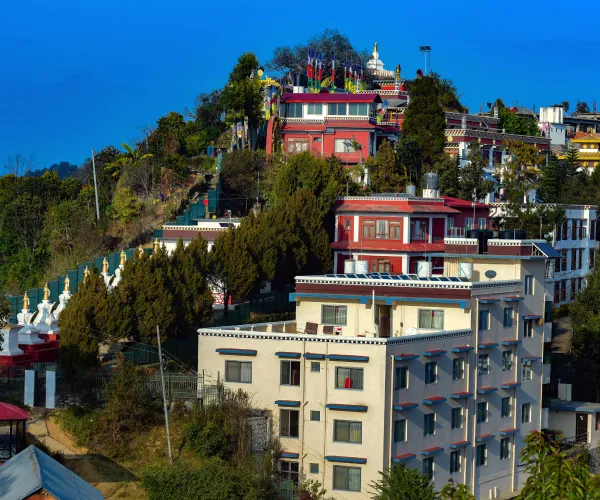
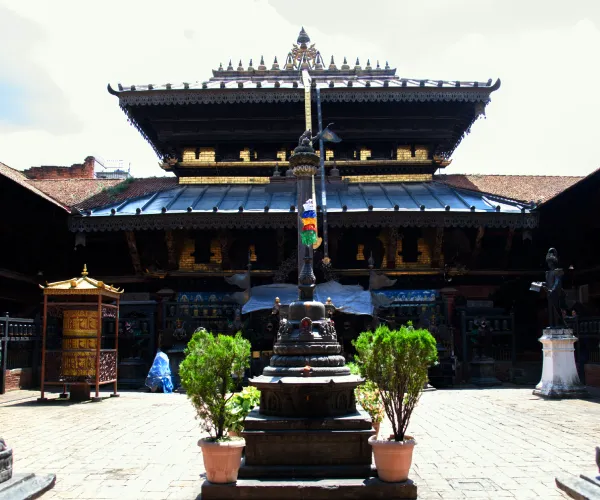
Lumbini is uniquely organized into eastern and western monastic zones, where monasteries from countries including Thailand, Myanmar, Japan, Korea, Sri Lanka, and Tibet reflect diverse cultural expressions of Buddhism.
Each monastery maintains simplicity, discipline, and contemplative practice, allowing visitors to experience the Dharma in living form, rather than as static history. The zones provide insight into how the birthplace of the Buddha continues to inspire global Buddhist practice, making it a cornerstone of Nepal Buddhist heritage tours.
Walking these zones, one witnesses the harmony of diverse traditions within a single sacred landscape, reinforcing the continuity of devotion, reflection, and learning.
World Peace Pagoda Lumbini Tour: Contemporary Spiritual and Reflective Experience
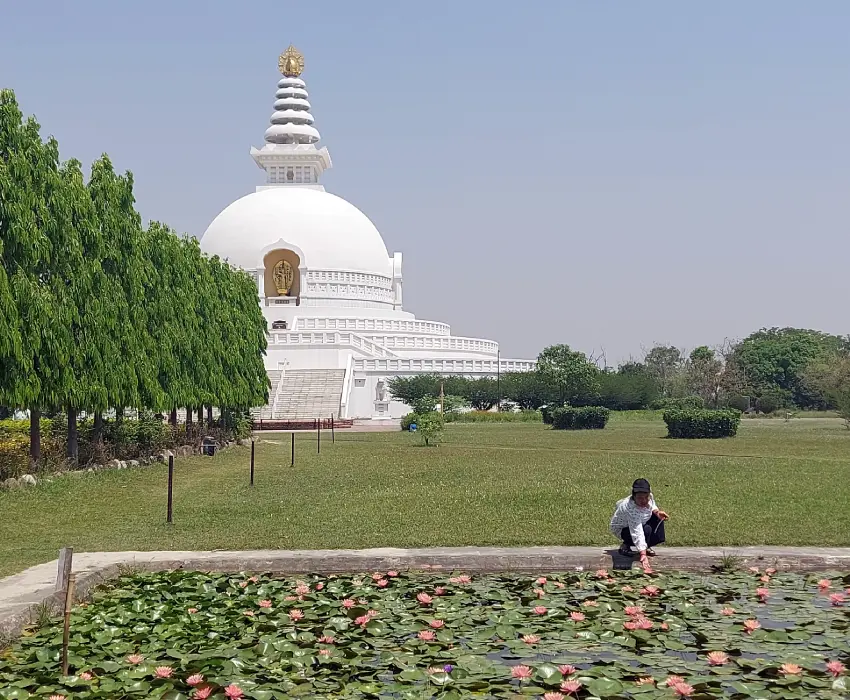
The World Peace Pagoda is a modern symbol of compassion, mindfulness, and non-violence, rising gracefully within Lumbini’s landscape. Unlike ancient structures, it emphasizes silent reflection and ethical presence, inviting pilgrims and cultural travelers to consider peace as a lived practice.
The pagoda offers space for meditation and quiet observation, connecting the Buddha’s timeless teachings with the contemporary human experience of mindfulness and ethical engagement.
Tilaurakot and Surrounding Shākya Sites: Complete Lumbini Tour Itinerary
Exploring Lumbini in depth is not complete without venturing into the wider sacred landscape, where the early life of Prince Siddhartha Gautama unfolded. These sites provide a living connection to the social, cultural, and spiritual environment that shaped the young prince and offer pilgrims a tangible sense of the conditions that gave rise to his later renunciation and awakening. This extended itinerary guides visitors through Tilaurakot, Kudan, Sagarhawa, Gothihawa, Niglihawa, Ramagrama, and Aurorakot, each a testimony to human history, devotion, and spiritual memory.
Tilaurakot – The Ancient Capital of the Shākya Clan
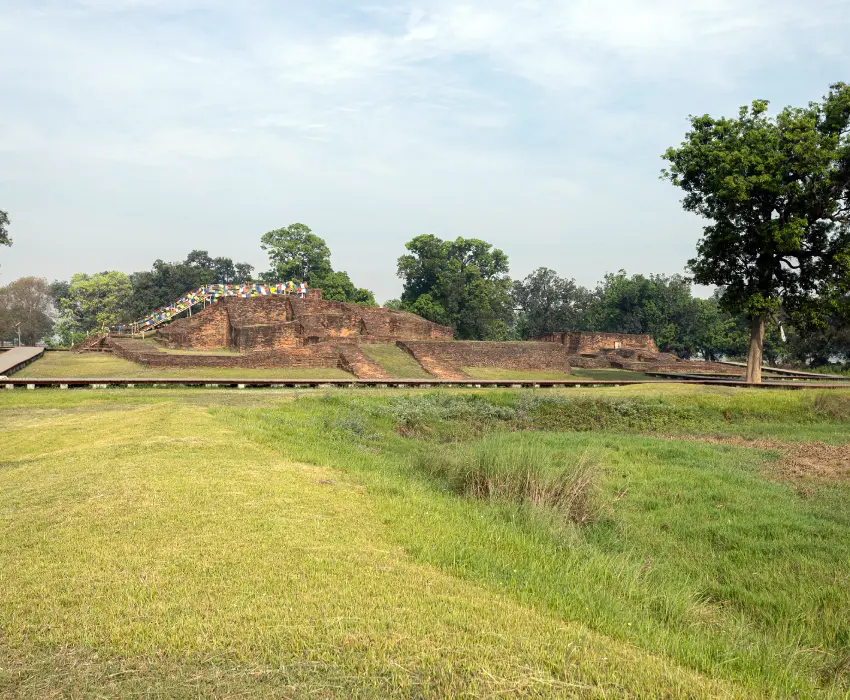
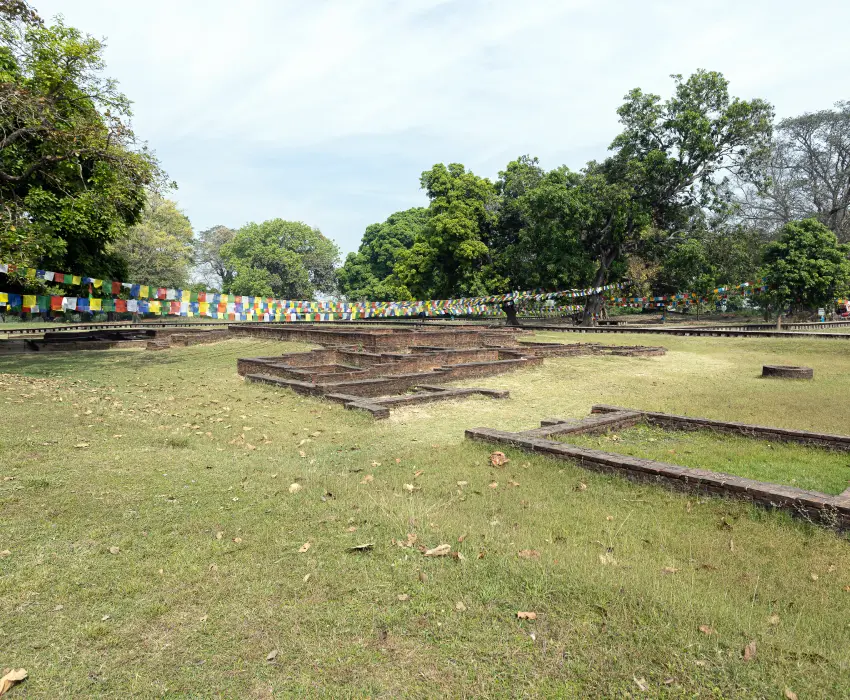
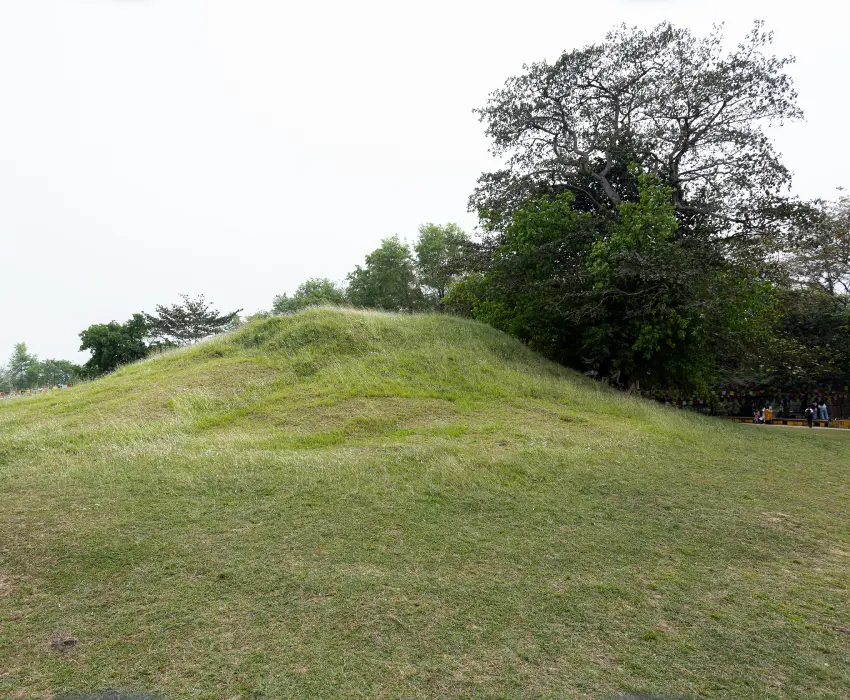
Tilaurakot is widely recognized as the capital city of the Shākya clan and the place where Siddhartha spent the formative years of his life. Excavations reveal fortified walls, gates, palatial foundations, residential quarters, and communal spaces that reflect advanced urban planning and societal organization in the 6th–5th century BCE. Archaeologists have uncovered evidence of brick structures, drainage systems, and ritual spaces, providing insight into how the Shākya people harmonized governance, culture, and spiritual practice.
Spiritually, Tilaurakot represents attachment, comfort, and familial responsibility—conditions that Siddhartha would later leave behind in search of deeper understanding. Walking the ruins, pilgrims are invited to reflect on impermanence and the subtle constraints of worldly life, tracing the early environment that led to the Buddha’s renunciation.
Kudan (Nigrodhārāma) – The Return After Awakening
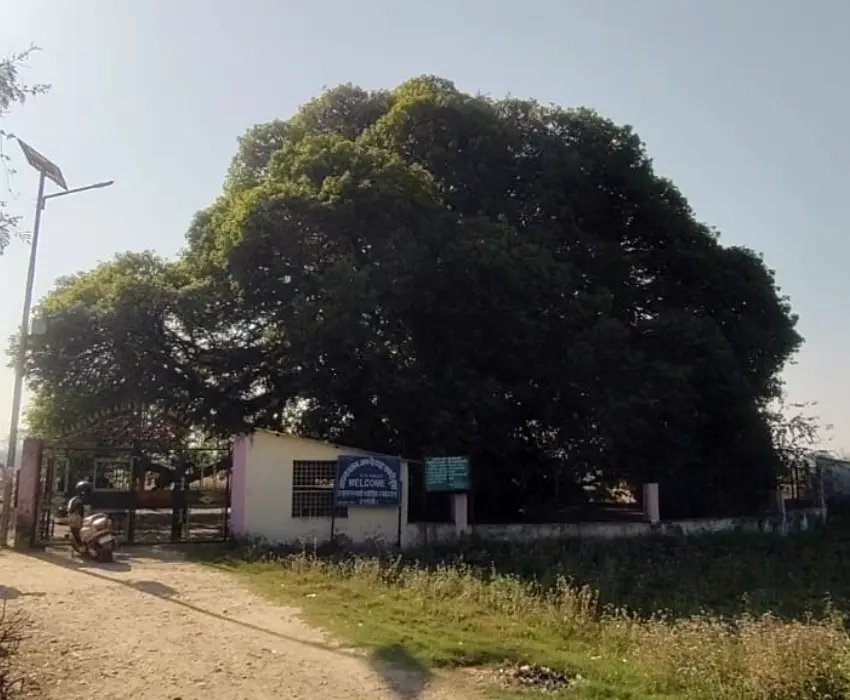
Kudan, also referred to as Nigrodhārāma, holds significance as the site where the Buddha returned to his homeland after attaining enlightenment. Here, he reconnected with his family and the Shākya community, teaching compassion, mindfulness, and ethical responsibility. The site contains stūpas, foundations of early monastic structures, and meditation platforms, all indicative of early Buddhist practice and reverent memorialization.
For pilgrims, Kudan embodies reconciliation and ethical teaching, showing that awakening is not solitary; it engages with society, family, and community. This sacred space highlights the continuity of practice and the integration of wisdom into daily life, bridging personal insight with social harmony.
Sagarhawa – Impermanence and Human Conflict
Sagarhawa is historically linked to political tension and Shākya clan disputes, providing a poignant reflection on the realities of power, conflict, and impermanence. Though the site lacks monumental structures, it carries profound significance in understanding the conditions of suffering (dukkha) that Prince Siddhartha observed in his early life.
Walking the grounds of Sagarhawa, visitors are encouraged to contemplate impermanence, human struggle, and the universal nature of conflict, realizing how these formative experiences informed the Buddha’s teachings on compassion, non-attachment, and ethical responsibility.
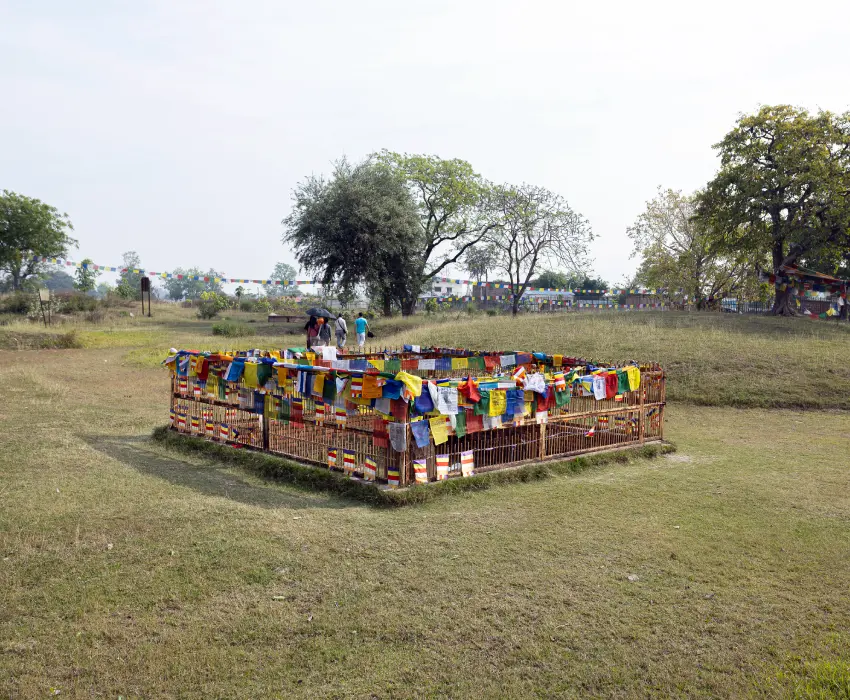
Gothihawa and Niglihawa – Early Stūpas and Devotional Memory
Gothihawa and Niglihawa are home to some of the earliest Buddhist stūpas in the Lumbini region. These sites reveal how memory and ritual practice sanctify ordinary landscapes, creating continuity of devotion through centuries. Archaeological excavations have uncovered stupa bases, votive offerings, and evidence of ancient pilgrimage pathways, underscoring the shared spiritual heritage of early Buddhist communities.
For pilgrims, visiting Gothihawa and Niglihawa is an invitation to witness how ordinary spaces become sacred through remembrance and reverent practice, reflecting the enduring human desire to honor insight and virtue.
Ramagrama – Preservation and Ethical Reverence
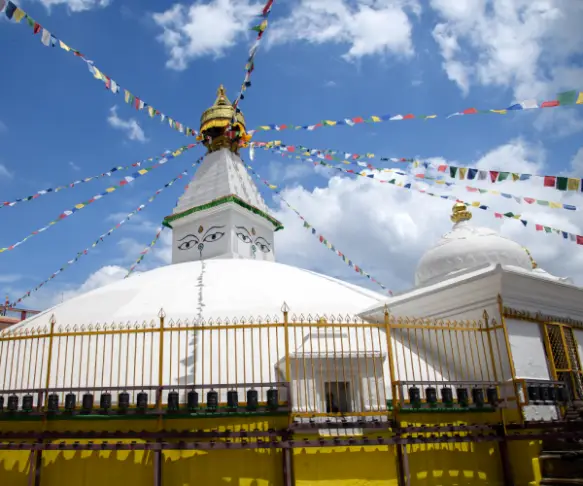
Ramagrama is renowned for containing the only undisturbed relic stūpa of the Buddha, untouched since the time of his parinirvāṇa. This stūpa exemplifies the principle that sacred power is sometimes preserved through restraint, ethical reverence, and humility rather than through grand display or ornamentation.
Pilgrims visiting Ramagrama are reminded of the value of preservation, mindfulness, and ethical stewardship. The site offers an intimate connection to the Buddha, fostering reflection on impermanence, devotion, and the ethical dimensions of safeguarding sacred heritage.
Aurorakot – Understanding the Shākya Cultural Context
Aurorakot, a peripheral yet historically significant site, enriches understanding of the Shākya cultural and geographical context. It provides insight into how the region’s society, economy, and landscape shaped the life of the young Buddha, offering perspective on the interplay between environment and spiritual development.
Though less visited, Aurorakot allows pilgrims to appreciate the continuity of culture and devotion that surrounds the more prominent sacred sites, reinforcing the depth and authenticity of the Lumbini pilgrimage.