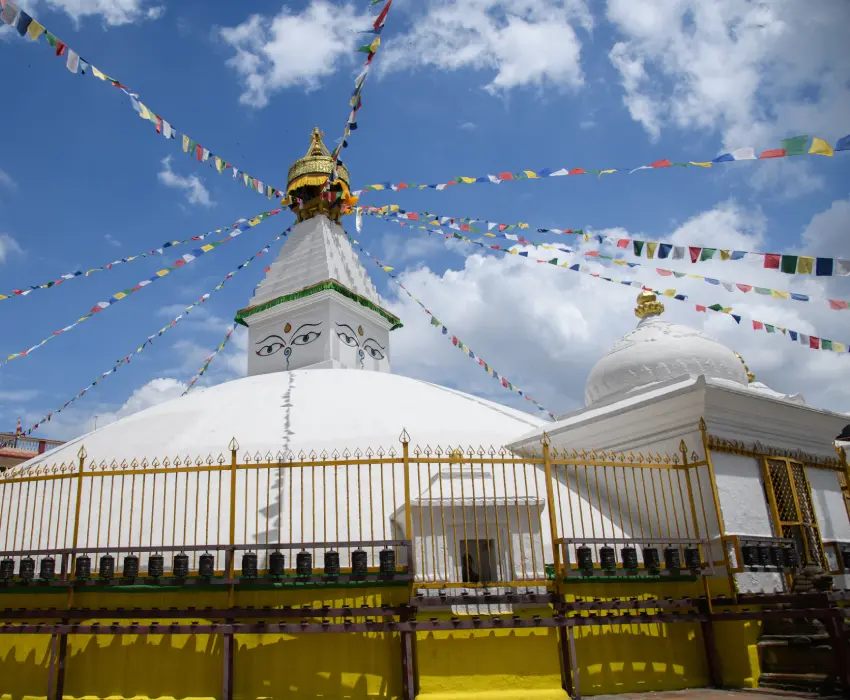
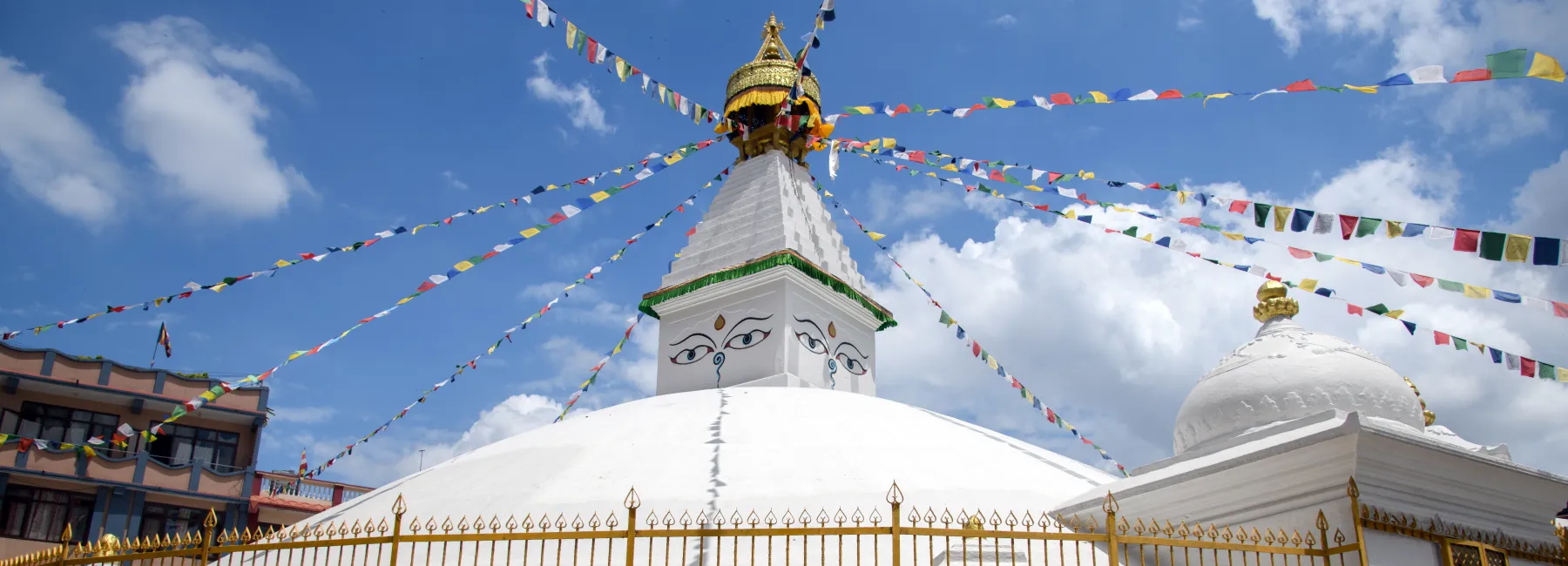
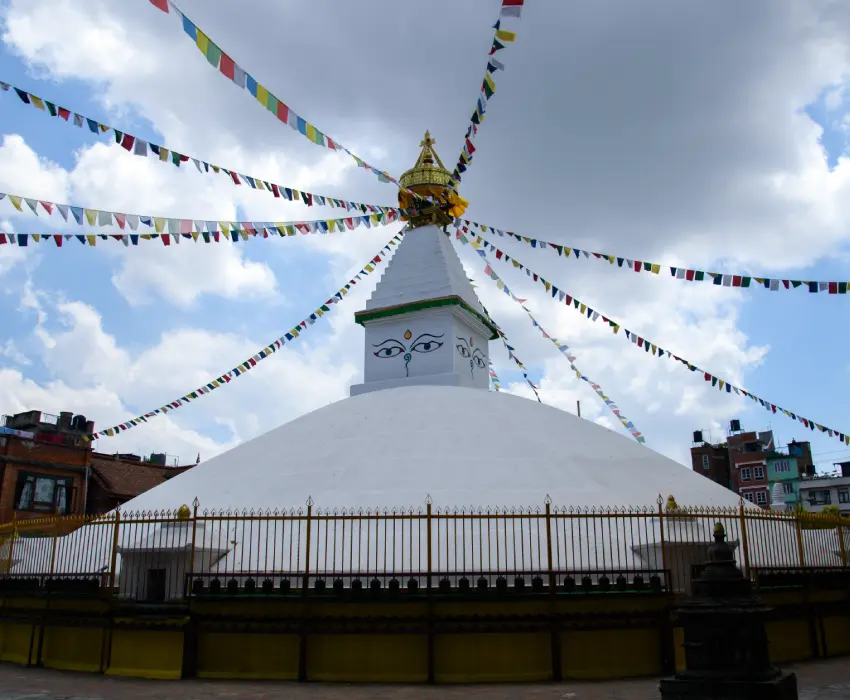
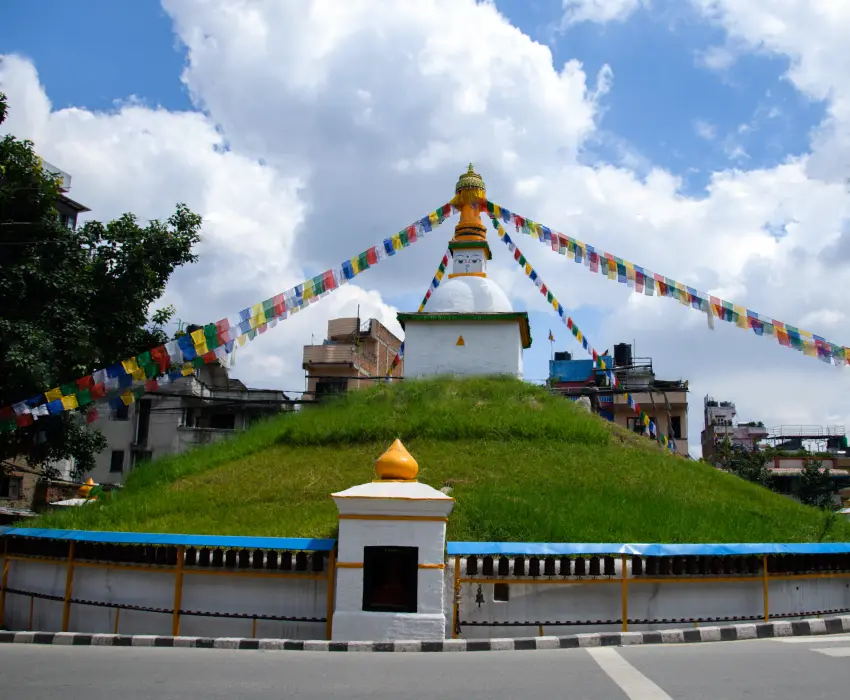
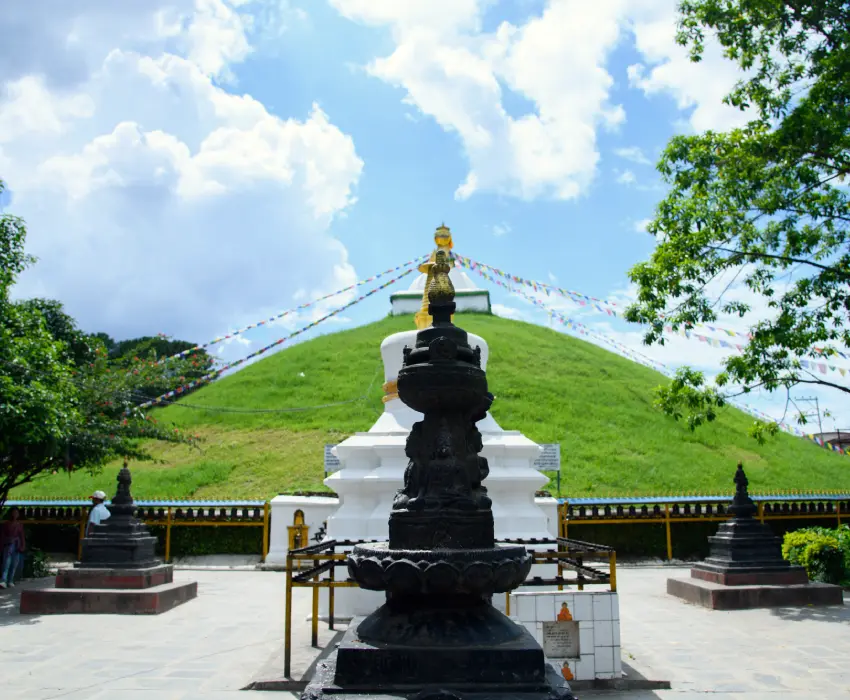
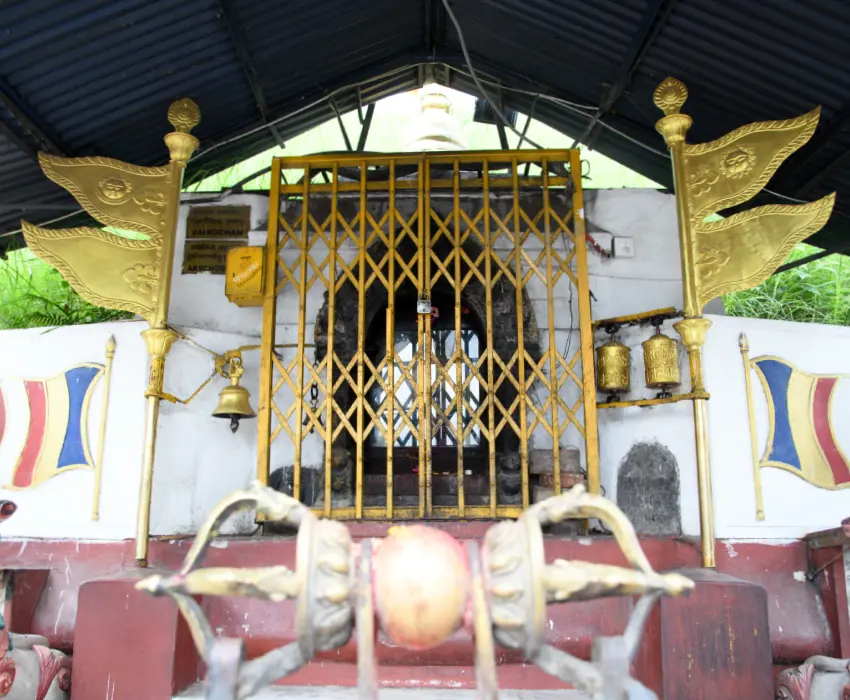
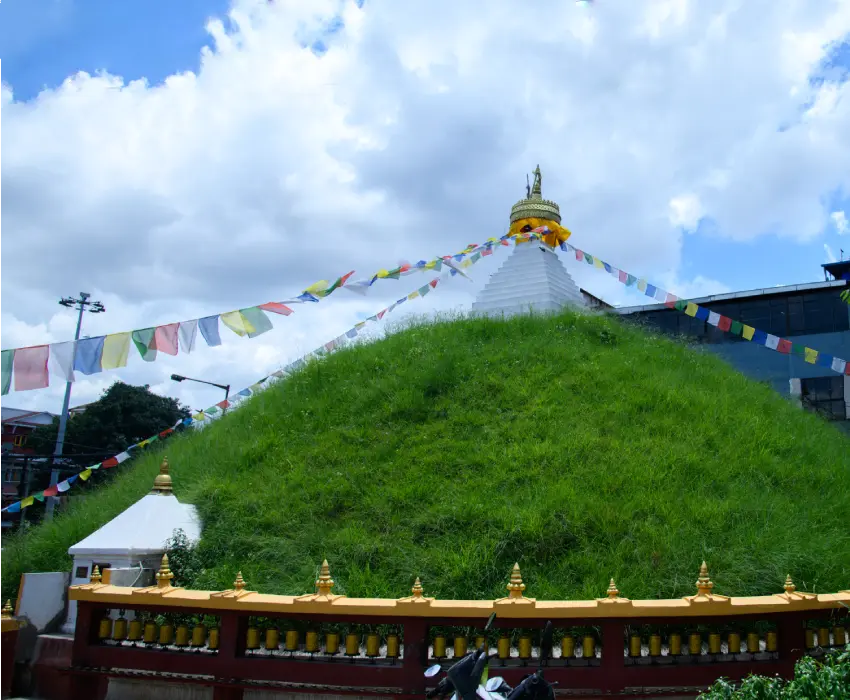
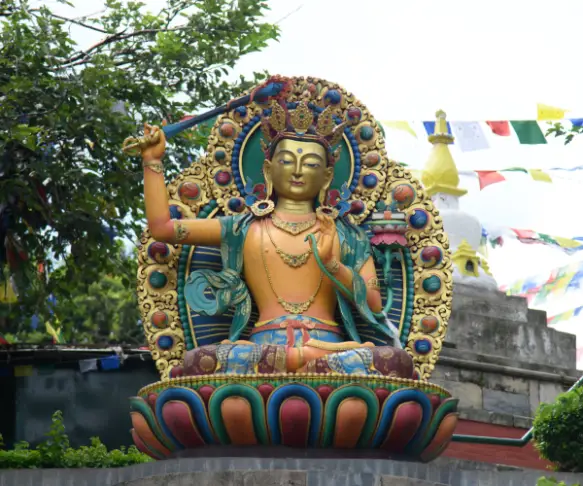
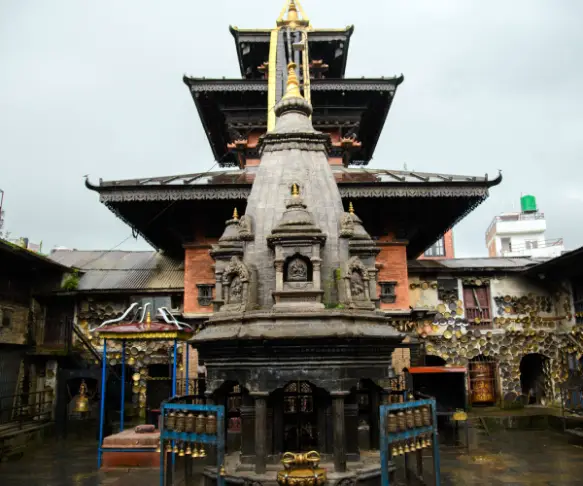
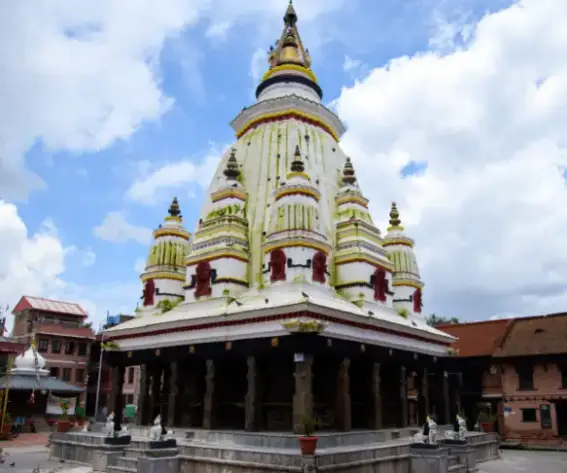
Experience the timeless peace, devotion, and blessings of the Four Ancient Ashoka Stupas of Patan.
Walk the Sacred Boundary of Ancient Patan and Discover One of Nepal’s Oldest Buddhist Pilgrimages
Hidden within the ancient city of Patan (Lalitpur) lies one of Nepal’s most meaningful yet lesser-known Buddhist pilgrimages—the Four Ashoka Stupas Pilgrimage. This unique journey takes you around the four ancient stupas traditionally believed to have been established by Emperor Ashoka in the 3rd century BCE, marking the sacred eastern, southern, western, and northern boundaries of the historic city.
More than a sightseeing tour, this pilgrimage invites you to experience Patan as a living Buddhist city, where centuries-old monasteries, sacred chaityas, and local traditions continue to thrive. As you walk through peaceful neighborhoods and ancient courtyards, you’ll discover not only remarkable heritage but also the enduring spirit of Buddhism that has shaped the city’s identity for generations.
Whether you are a Buddhist pilgrim, a cultural traveler, a history enthusiast, or simply seeking a peaceful and authentic experience in Nepal, the Four Ashoka Stupas Pilgrimage Tour offers a meaningful journey through history, faith, and living tradition.
The Four Ashoka Stupas are among the oldest and most revered Buddhist monuments in the Kathmandu Valley. Standing at the eastern, southern, western, and northern edges of historic Patan (Lalitpur), they have watched over the city for more than two thousand years and continue to be places of prayer, devotion, and quiet reflection.
For local Buddhists, these stupas are far more than ancient structures. They are sacred symbols of the Buddha’s teachings and an enduring reminder of Patan’s deep connection with Buddhism. Even today, devotees visit the stupas to offer butter lamps, flowers, incense, and prayers, preserving traditions that have been passed down through countless generations.
The story of these sacred monuments begins with one of the greatest figures in Buddhist history—Emperor Ashoka.
Emperor Ashoka – The Great Patron of Buddhism
Emperor Ashoka (c. 268–232 BCE), the third ruler of the Mauryan Empire, is remembered as one of history’s greatest supporters of Buddhism. Although he began his reign as a powerful conqueror, his life changed dramatically after the Kalinga War, where thousands of lives were lost.
Deeply moved by the suffering caused by war, Ashoka embraced the teachings of Shakyamuni Buddha and committed himself to a life guided by compassion, non-violence, and moral leadership. Instead of expanding his empire through conquest, he sought to spread the Dharma through wisdom, generosity, and peaceful governance.
Under his patronage, monasteries were supported, stupas were built or restored, sacred relics were enshrined, and Buddhist missions were sent across Asia. His efforts helped Buddhism flourish far beyond India, reaching Nepal, Sri Lanka, Central Asia, and many other regions.
Because of his extraordinary contribution to the Buddhist world, Emperor Ashoka is honored not only as a great king but also as one of the most influential patrons in the history of Buddhism.
Did Emperor Ashoka Visit Patan?
According to long-standing Nepalese Buddhist tradition, Emperor Ashoka visited the Kathmandu Valley during his reign and established four stupas around the ancient city of Patan. These monuments were placed at the eastern, southern, western, and northern boundaries of the city, creating a sacred circuit that has been revered by pilgrims ever since.
This tradition is deeply rooted in the cultural memory of Patan and continues to be preserved through local festivals, oral history, and religious practice. For generations, the Four Ashoka Stupas have been regarded as enduring symbols of Ashoka’s devotion to the Buddha’s teachings.
From a historical perspective, however, scholars continue to study the exact origins of the stupas. While Ashoka’s visit to Lumbini is confirmed by the famous Ashoka Pillar inscription, no similar inscription has been discovered at the Patan stupas. As a result, historians cannot conclusively verify that Ashoka personally built them.
Nevertheless, their spiritual significance remains undiminished. Whether established directly by Emperor Ashoka or inspired by his legacy, the Four Ashoka Stupas have been honored as sacred pilgrimage sites for centuries and continue to hold a special place in Nepal’s Buddhist heritage.
A Sacred Boundary Around Ancient Patan
Unlike many Buddhist monuments that stand alone, the Four Ashoka Stupas were traditionally placed at the four cardinal directions surrounding the ancient city of Patan. Together, they formed a sacred boundary that symbolically protected the city and blessed everyone living within it.
In Buddhist tradition, the four directions represent completeness, harmony, and the universal reach of the Buddha’s wisdom. Walking from one stupa to another is therefore more than visiting historic monuments—it is a symbolic journey through a sacred landscape shaped by faith, devotion, and centuries of Buddhist practice.
Although modern Patan has expanded far beyond its ancient boundaries, the four stupas continue to preserve this spiritual geography. Each monument marks a chapter in the city’s history and reflects the enduring presence of Buddhism in everyday life.
A Living Legacy
One of the most remarkable aspects of the Four Ashoka Stupas is that they are living places of worship, not simply archaeological sites.
Every day, local devotees visit these sacred monuments to circumambulate them, light butter lamps, burn incense, and offer prayers for peace, wisdom, and the well-being of all beings. During important Buddhist festivals such as Buddha Jayanti and Gunla, the stupas become vibrant centers of devotion, filled with pilgrims, monks, and members of the local community.
This living tradition gives the pilgrimage a unique character. Visitors do not simply observe history—they experience a spiritual heritage that continues to inspire people today, just as it has for generations.
As you begin the pilgrimage, each stupa reveals a different aspect of Patan’s remarkable Buddhist legacy. Together, they form one of Nepal’s most meaningful pilgrimage routes, inviting every visitor to discover the timeless values of compassion, wisdom, and mindfulness that continue to flourish in this ancient city.
The heart of this pilgrimage is the opportunity to visit the Four Ashoka Stupas, four ancient Buddhist monuments that have safeguarded the sacred city of Patan for centuries. According to long-standing Nepalese Buddhist tradition, these stupas were established by Emperor Ashoka during his pilgrimage to Nepal in the 3rd century BCE, marking the four cardinal directions of the ancient city.
Although united by a common history, each stupa possesses its own unique character, architectural features, and local traditions. Together, they form a sacred pilgrimage circuit that reflects Patan’s rich Buddhist heritage and the enduring presence of the Buddha’s teachings.
As you journey from one stupa to the next, you’ll walk through centuries-old Newar neighborhoods, discover hidden monasteries and chaityas, and witness the living traditions that continue to make Patan one of Nepal’s most important Buddhist cities.
1. East Ashoka Stupa (Teta Thura / Taita Thura) – The Beginning of the Sacred Journey
The pilgrimage traditionally begins at the East Ashoka Stupa, locally known as Teta Thura or Taita Thura, situated in Tyagal Tole, near Sundhara and the renowned Mahabouddha Temple. Once marking the eastern boundary of ancient Patan, this peaceful monument welcomes pilgrims as they begin their journey around the sacred city.
According to local Buddhist tradition, this stupa was established by Emperor Ashoka as one of the four sacred monuments protecting Patan. For centuries it has remained a place of devotion where local residents gather to pray, make offerings, and seek blessings.
Built with traditional fired bricks, the stupa features a graceful hemispherical dome resting on a circular base. Four niches facing the cardinal directions enshrine images of the Tathāgata Buddha, symbolizing the universal reach of the Buddha’s wisdom and compassion. Although simple in appearance, its elegant proportions reflect the timeless beauty of early Buddhist architecture.
The peaceful surroundings make this an ideal place to begin the pilgrimage with mindfulness. Many visitors choose to walk slowly around the stupa in a clockwise direction, pausing to appreciate the calm atmosphere before continuing their journey.
Just a short walk away stands the magnificent Mahabouddha Temple, often called the Temple of a Thousand Buddhas. Decorated with thousands of beautifully crafted terracotta Buddha images, it is one of Patan’s finest Buddhist monuments and a perfect complement to the first stop of the pilgrimage.
2. South Ashoka Stupa (Lagan Thura) – The Largest of the Four
From the eastern gateway, the pilgrimage continues to Lagan Thura in Lagankhel, the largest and most prominent of the Four Ashoka Stupas. Standing proudly in one of Patan’s busiest neighborhoods, the stupa remains a peaceful sanctuary amid the rhythm of everyday city life.
Traditionally believed to have been established by Emperor Ashoka, Lagan Thura has long served as the southern guardian of ancient Patan. Over the centuries, it has become an important center of Buddhist devotion for both local Newar Buddhists and the Tibetan Buddhist community.
The stupa measures approximately 47.4 metres in diameter and rises to about 11.8 metres, making it the largest of the four Ashoka Stupas. Four small shrines surrounding the monument house Rupakaya Buddha statues that were added during the eighteenth century, demonstrating the continued care and reverence this sacred site has received throughout history.
Since 1959, members of the Nyanangpa Welfare Association and the Tibetan Buddhist community have gathered here during important holy days to perform prayers and religious ceremonies. This continuing tradition reflects the shared spiritual heritage that has united Buddhist communities in Nepal for generations.
Today, visitors often find local devotees quietly circumambulating the stupa, spinning prayer beads, offering butter lamps, and reciting prayers. Watching these daily acts of devotion provides a meaningful glimpse into Patan’s living Buddhist culture.
Standing before Lagan Thura, it is easy to understand why this monument has remained a place of faith for centuries. The atmosphere invites visitors to pause, reflect, and appreciate the timeless values of compassion, peace, and wisdom before continuing toward the western boundary of the sacred city.
3. West Ashoka Stupa (Phulcha Thura / Pucho Thura) – A Place of Peace and Reflection
The journey continues to the West Ashoka Stupa, locally known as Phulcha Thura or Pucho Thura, located near Pulchowk, one of Patan’s historic crossroads. Traditionally marking the western boundary of the ancient city, this sacred monument has quietly stood as a place of prayer and contemplation for centuries.
According to local Buddhist tradition, Phulcha Thura is one of the four stupas established by Emperor Ashoka during his pilgrimage to Nepal. Although surrounded today by a lively urban neighborhood, the stupa still retains a peaceful atmosphere that encourages visitors to pause, reflect, and appreciate the timeless values of the Buddha’s teachings.
The stupa measures approximately 75.52 metres in circumference and rises to about 12 metres in height. Built on a traditional brick platform, it features a graceful hemispherical dome with four Tathāgata Buddha images facing the four cardinal directions. Its elegant yet simple design reflects the architectural traditions of early Buddhist stupas, where symbolism and spiritual purpose take precedence over elaborate decoration.
For many pilgrims, Phulcha Thura is one of the quietest stops on the journey. Away from the larger crowds found at some of Nepal’s famous Buddhist monuments, it offers an ideal setting for mindful walking, silent prayer, or simply appreciating the peaceful surroundings. It is here that many visitors begin to experience the pilgrimage not only as a historical tour but also as a personal journey of reflection.
From this western gateway, the pilgrimage gradually turns north toward its final destination—the most distinctive and spiritually significant of the Four Ashoka Stupas.
4. North Ashoka Stupa (Ibahi Thura / Ipi Thura) – Completing the Sacred Circuit
The final stop of the pilgrimage is the North Ashoka Stupa, locally known as Ibahi Thura or Ipi Thura. Located near Pimbahal, about 100 metres north of the historic Kumbheshwar Temple, this remarkable monument marks the northern boundary of ancient Patan and completes the sacred circuit around the city.
Among the Four Ashoka Stupas, Ibahi Thura is unique for its architectural style. Unlike the other three stupas, it closely resembles the Swayambhunath Stupa in Kathmandu. Rising approximately 15 metres high with a circumference of about 60.62 metres, it features a hemispherical dome crowned by a square harmikā, thirteen symbolic tiers, and a traditional parasol. In Buddhist symbolism, these thirteen tiers represent the progressive stages on the path toward enlightenment.
Beyond its architecture, Ibahi Thura is closely connected with one of the most revered figures in Vajrayana Buddhism—Guru Padmasambhava (Guru Rinpoche).
Ibahi Monastery and Guru Padmasambhava
Directly in front of the stupa stands the historic Ibahi (Ibahil) Monastery, an important Newar Buddhist monastery that has served as a place of learning and practice for centuries.
According to local tradition, Guru Padmasambhava stayed here before departing Nepal on his journey to Tibet, where he played a pivotal role in establishing Vajrayana Buddhism during the eighth century. Although this tradition cannot be confirmed through historical records, it remains deeply respected by local Buddhist communities and pilgrims from across the Himalayan region.
At the entrance to the monastery, two beautifully carved stone lions guard the gateway, welcoming visitors into a peaceful courtyard that preserves centuries of Buddhist heritage.
Inside the monastery, colorful murals depict key moments from the life of Shakyamuni Buddha, including:
These paintings beautifully complement the pilgrimage by reminding visitors of the Buddha’s life and the timeless teachings that continue to inspire millions around the world.
Completing the Pilgrimage
Arriving at Ibahi Thura marks the completion of the Four Ashoka Stupas Pilgrimage. After walking the sacred boundary of ancient Patan, many pilgrims choose to circumambulate the stupa one final time, offer a butter lamp, or spend a few quiet moments in meditation and reflection.
Completing the circuit is more than simply visiting four ancient monuments. It is an opportunity to connect with Patan’s living Buddhist heritage, appreciate the enduring legacy of Emperor Ashoka, and experience a city where faith, history, and daily life have remained closely intertwined for centuries.
As the pilgrimage comes to an end, visitors leave with more than photographs and memories. They depart with a deeper understanding of Nepal’s Buddhist traditions and a renewed appreciation for the timeless values of wisdom, compassion, and peace that continue to guide this sacred city.

The Four Ashoka Stupas Pilgrimage is more than a walking tour—it’s an opportunity to experience Patan through the lens of its living Buddhist heritage. As you journey from one stupa to another, you’ll pass through centuries-old Newar neighborhoods, hidden monastery courtyards, ancient chaityas, and traditional streets where Buddhism continues to shape everyday life.
For generations, local devotees have followed this sacred route while offering prayers, circumambulating the stupas, and paying homage to the Buddha. Today, visitors are invited to experience the same path with mindfulness and respect, taking time to appreciate both the spiritual atmosphere and the remarkable cultural heritage preserved within the city.
The pilgrimage is suitable for people of all backgrounds. Whether you choose to meditate quietly at each stupa, learn about Buddhist history, admire the traditional architecture, or simply enjoy a peaceful walk through one of Nepal’s oldest cities, the journey offers a meaningful experience that extends far beyond sightseeing.
Best Time to Join the Pilgrimage
The Four Ashoka Stupas Pilgrimage can be enjoyed throughout the year, but spring (March to May) and autumn (September to November) offer the most pleasant weather for walking and sightseeing. Clear skies and comfortable temperatures make these seasons ideal for exploring Patan’s historic streets and sacred monuments.
If you would like to experience the city’s vibrant religious traditions, consider visiting during major Buddhist festivals such as Buddha Jayanti, Gunla, Samyak, or Panchadan. During these occasions, local communities gather at monasteries and stupas to perform prayers, make offerings, and celebrate centuries-old traditions.
For the most peaceful atmosphere, we recommend starting the pilgrimage early in the morning, when the streets are quieter and many local devotees begin their daily prayers.
Unlike many heritage tours that focus only on famous landmarks, the Four Ashoka Stupas Pilgrimage offers the opportunity to explore a quieter and more authentic side of Patan. This is a journey through sacred places that continue to serve as centers of devotion, allowing visitors to experience Buddhism as a living tradition rather than simply as history.
Walk One of Nepal’s Oldest Buddhist Pilgrimage Routes
Follow a sacred circuit that has been revered for centuries. Visiting all four Ashoka Stupas allows you to symbolically walk the ancient boundary of Patan while exploring one of the Kathmandu Valley’s oldest Buddhist landscapes.
Discover the Legacy of Emperor Ashoka
Learn about the remarkable story of Emperor Ashoka, whose dedication to the Buddha’s teachings transformed Buddhism across Asia. According to local tradition, his pilgrimage to Patan gave rise to these four sacred monuments, which continue to inspire faith today.
Experience Living Newar Buddhism
Patan is not an open-air museum—it is a city where Buddhist traditions remain part of everyday life. Throughout the pilgrimage, you’ll encounter local devotees offering butter lamps, spinning prayer wheels, visiting monasteries, and preserving rituals that have continued for generations.
Explore Hidden Buddhist Heritage
Beyond the famous monuments, the pilgrimage leads you through traditional neighborhoods rich with ancient monasteries, hidden chaityas, peaceful courtyards, and beautifully preserved Newar architecture. These lesser-known places reveal the authentic spiritual character of Patan.
A Peaceful Journey Away from the Crowds
Unlike Nepal’s busiest tourist attractions, the Four Ashoka Stupas offer a calm and unhurried experience. The quieter surroundings create the perfect environment for mindful walking, photography, reflection, and meaningful cultural encounters.
Suitable for Every Traveler
Whether you are a Buddhist practitioner seeking spiritual inspiration, a traveler interested in Nepal’s history and culture, a researcher, photographer, or first-time visitor, this pilgrimage offers an enriching experience for people of all backgrounds. No previous knowledge of Buddhism is required—only curiosity and a respectful heart.
More Than a Heritage Tour
The Four Ashoka Stupas Pilgrimage is not measured by the number of monuments you visit, but by the stories you discover, the traditions you witness, and the peaceful moments you experience along the way. Every stop reveals another layer of Patan’s remarkable Buddhist heritage, making this journey both educational and deeply rewarding.
Join us on this unforgettable pilgrimage and discover why the Four Ashoka Stupas have remained sacred landmarks for centuries, quietly preserving the spiritual legacy of one of Nepal’s most historic cities.
Choosing the right guide can transform a simple sightseeing tour into a truly meaningful pilgrimage. At Nirvana Journey, we specialize in authentic Buddhist travel experiences that combine history, culture, and spirituality with genuine local insight.
Buddhist Travel Specialists
Our passion is introducing travelers to Nepal’s rich Buddhist heritage through carefully designed pilgrimage experiences that go beyond the typical tourist route.
Knowledgeable Local Guides
Our experienced guides explain the history, symbolism, architecture, and living traditions of each sacred site, helping you gain a deeper understanding of Patan’s remarkable Buddhist legacy.
Authentic Local Experiences
Beyond the Four Ashoka Stupas, we introduce you to hidden monasteries, ancient courtyards, traditional Newar communities, and lesser-known heritage sites that many visitors never discover.
Flexible & Personalized Tours
Whether you prefer a private pilgrimage, a family outing, an educational visit, or a meditation-focused experience, we can tailor the itinerary to suit your interests and schedule.
Some journeys take you to famous places. Others leave a lasting impression on your heart.
The Four Ashoka Stupas Pilgrimage offers the rare opportunity to experience both. As you walk the ancient streets of Patan, you’ll discover centuries-old stupas, hidden monasteries, and living Buddhist traditions that continue to inspire pilgrims from around the world. Every step reveals a deeper connection between history, culture, and the timeless teachings of the Buddha.
Whether you are seeking spiritual inspiration, a deeper understanding of Buddhism, or an authentic cultural experience in Nepal, this pilgrimage invites you to slow down, reflect, and experience one of the Kathmandu Valley’s most treasured Buddhist heritage routes.
At Nirvana Journey, we are committed to creating meaningful travel experiences that go beyond sightseeing. With knowledgeable local guides, carefully designed itineraries, and a genuine passion for Nepal’s Buddhist heritage, we invite you to explore Patan through the eyes of those who know and cherish its traditions.
Begin your Four Ashoka Stupas Pilgrimage with Nirvana Journey and walk a sacred path where history, devotion, and living culture come together in one unforgettable experience.
Upon your arrival at Tribhuvan International Airport, our representative will warmly welcome you and transfer you to your hotel. After check-in, enjoy the rest of the day at leisure. In the evening, meet your guide for a short tour briefing and introduction to the Four Ashoka Stupas Pilgrimage.
After breakfast, drive to the historic city of Patan (Lalitpur) and begin your pilgrimage to the Four Ashoka Stupas. Visit the East, South, West, and North Ashoka Stupas while learning about their history, architecture, and spiritual significance. Along the way, explore Mahabouddha Temple, Ibahi Monastery, and other hidden Buddhist heritage sites that showcase Patan’s rich Newar Buddhist culture. After completing the pilgrimage, return to Kathmandu.
After breakfast, enjoy a free day at your own pace. You may relax at your hotel, explore Kathmandu independently, or join an optional tour to Boudhanath Stupa, Swayambhunath Stupa, Namo Buddha, or other cultural and spiritual sites.
After breakfast, enjoy some free time until your scheduled airport transfer. Our representative will transfer you to Tribhuvan International Airport for your onward journey, marking the end of your memorable Four Ashoka Stupas Pilgrimage in Nepal.
Nirvana Journey is the dedicated spiritual travel division of Asia Buddhist Tours & Treks, specializing in authentic Buddhist pilgrimages, sacred journeys, and transformative experiences across the Himalayan region asiabuddistours.com
© Copyright 2026, The copyright to all content on this website, including photographs, belongs to Nirvana Journey Pvt. Ltd. and cannot be reproduced without our permission. © Nirvana Journey Pvt. Ltd 2026