Experience and Feel, not just travel

Common Buddhism Pilgrimage Tour

Buddhism Pilgrimage Tour in Nepal – Explore Sacred Sites, Deities & Living Traditions

Nepal, cradled in the Himalayas and celebrated as the birthplace of Shakyamuni Buddha, is a spiritual haven for pilgrims, practitioners, and travelers seeking to explore Buddhism in its living, vibrant form. Unlike many countries where Buddhism is preserved mainly as historical monuments, in Nepal, it is a living tradition, intricately woven into daily life, rituals, festivals, art, and culture.

Embarking on a Buddhism Pilgrimage Tour in Nepal is more than sightseeing—it is a spiritual journey through over 2,500 years of Buddhist heritage. From the serene gardens and sacred monasteries of Lumbini, where Buddha was born, to the mystical Himalayan retreats and ancient monasteries of Kathmandu Valley, Nepal offers a rare opportunity to experience all major Buddhist traditions in one country—Mahayana, Vajrayana (Bajrayana), and Theravada.
This tour immerses travelers in ancient stupas, meditation caves, ritual sites, and sacred monasteries, where the teachings of the Buddha and the wisdom of Bodhisattvas continue to inspire generations. You will witness living rituals, devotional practices, and the artistry of Buddhist culture, all while traveling through breathtaking landscapes, from the bustling valleys to the tranquil Himalayan hills.

Whether you are a spiritual seeker, a cultural explorer, or a history enthusiast, this pilgrimage tour is designed to provide an authentic, immersive, and transformative experience. By following in the footsteps of Buddha and revered Bodhisattvas, you will gain insight into the philosophy, practices, and sacred spaces that have shaped Buddhism in Nepal and beyond.

Nepal is one of the few countries where Buddhism is both ancient and actively practiced, offering pilgrims a unique opportunity to explore the teachings in their living context. Here’s why Nepal is ideal for your pilgrimage:
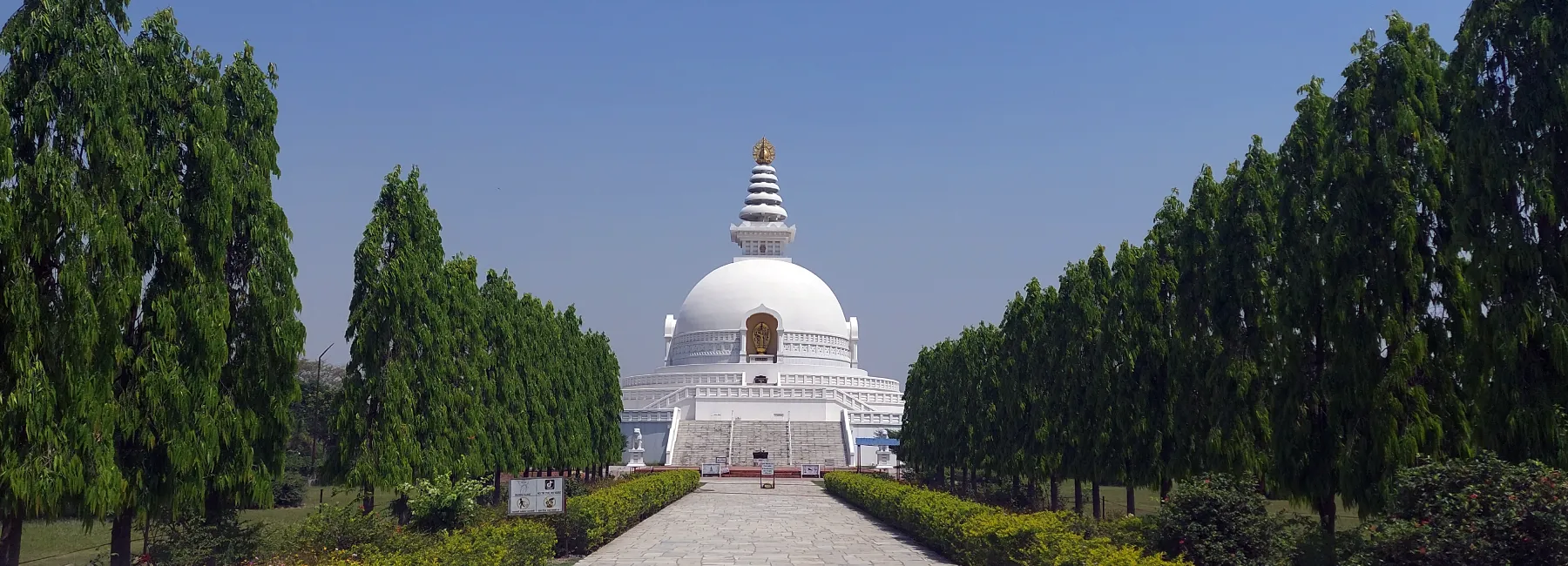
✔ Birthplace of Buddha (Lumbini) – Connect with the origins of Buddhism and visit the sacred Maya Devi Temple, Ashoka Pillar, and sacred gardens.
✔ Kathmandu Valley – A Living Buddhist Hub – Explore Mahayana and Vajrayana monasteries, Eight Bodhisattva sites, Lokeshvara shrines, and Tara temples, all vibrant centers of devotion and daily practice.
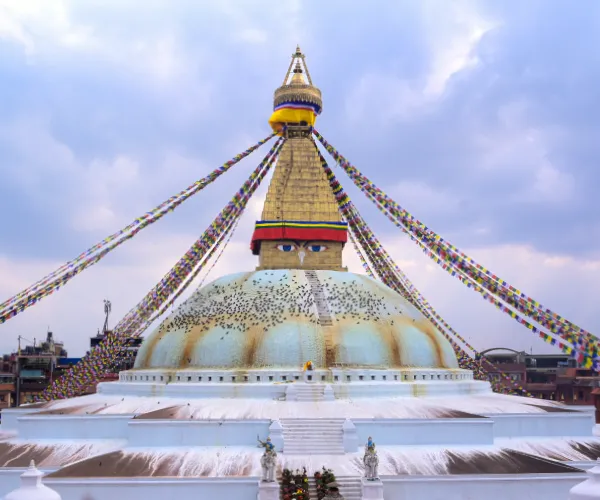
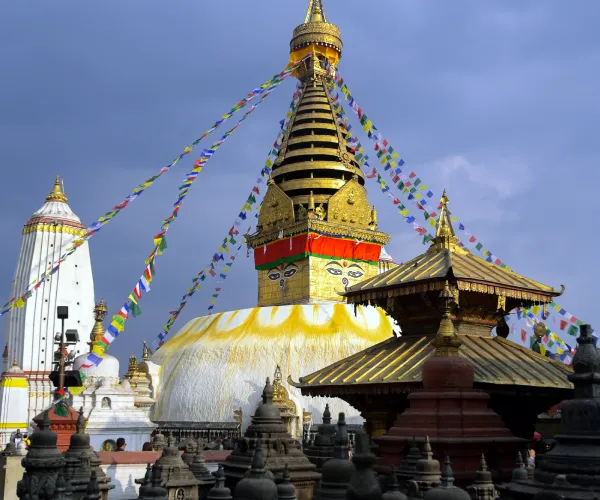
✔ Swayambhunath & Boudhanath Stupas – Iconic pilgrimage sites blending Tibetan, Mahayana, and local Newar Buddhist traditions.
✔ Namobuddha & Himalayan Monasteries – Remote monasteries and retreat centers offer spiritual reflection and meditation opportunities amidst serene Himalayan landscapes.
✔ Pharping – Tantric and Vajrayana Heritage – Sacred meditation caves, Tara temples, and Vajrayana monasteries preserve esoteric teachings.
✔ Cultural and Artistic Immersion – Nepalese Buddhism is reflected in festivals, rituals, sacred art, manuscripts, and monastery architecture.
✔ Spiritual Learning Beyond Sightseeing – Experience authentic rituals, interact with monks and nuns, and witness Buddhism actively practiced in daily life.
Nepal is not just a destination—it is a living sanctuary where pilgrims, scholars, and spiritually curious travelers can engage deeply with Buddhist teachings and practices.

Nepal preserves a rare confluence of all major Buddhist traditions:

Mahayana Buddhism – Emphasizing the Bodhisattva ideal of wisdom and compassion, evident in Kathmandu Valley and Himalayan monasteries.

Vajrayana/Bajrayana Buddhism – Tantric practices, deities, and empowerment rituals are alive in Pharping, Bajrayogini temples, and Himalayan retreats.

Theravada Buddhism – Early Buddhist teachings and meditation practices are actively preserved in Lumbini and select monasteries.

The Kathmandu Valley has long been a cultural and spiritual hub, where Newar Buddhist communities developed unique rituals, art forms, and manuscript traditions. By visiting Nepal, pilgrims gain a holistic view of Buddhism, experiencing teachings in both their historical and living contexts.

Though Buddhism originated in India, Nepal has been a guardian and bridge for Buddhist traditions:
During the Licchavi period (3rd–9th century CE), Nepalese kings patronized monasteries, stupas, and manuscripts, fostering the growth of Mahayana and Vajrayana traditions.
As Buddhism declined in India after the 12th century, Nepal became a refuge for sacred texts and teachings, preserving lineages and monastic knowledge.

Newar Buddhists meticulously maintained rituals, festivals, and art forms, ensuring that Buddhism remained alive and relevant.
Nepal served as a gateway to Tibet, influencing Vajrayana and Himalayan Mahayana practices.

Today, Nepal remains one of the few countries where Buddhism continues as a living, uninterrupted spiritual tradition.

Nepalese Buddhism emphasizes wisdom (Prajna), compassion (Karuna), and the
Bodhisattva path:
Bodhisattva Ideal – The pursuit of enlightenment for the benefit of all beings, exemplified by Avalokiteshvara, Tara, and Manjushri.

Emptiness (Śūnyatā) – Understanding interdependence and the lack of inherent existence, reflected in rituals, stupas, and art.

Compassion and Wisdom – Pilgrims witness teachings through ceremonies, community rituals, and monastic life.

Interconnectedness – Festivals, monastery networks, and art highlight the interconnected nature of life.

These teachings are not just academic—they are experienced daily in temples, meditation halls, and pilgrim interactions.

Nepalese Buddhism is rich with Bodhisattvas, Buddhas, and protective deities:
Shakyamuni Buddha – Historical Buddha, revered across all major pilgrimage sites.
Avalokiteshvara (Chenrezig) – Embodiment of compassion, protector of Kathmandu Valley.
Manjushri – Bodhisattva of wisdom, linked to Kathmandu Valley legends.
Maitreya – The future Buddha, symbolizing hope and compassion.
Green Tara – Swift liberator from fears and obstacles; active compassion.
White Tara – Healing, longevity, and serenity.
Yellow Tara – Prosperity, abundance, and spiritual merit.
Prajnaparamita – Personification of transcendent wisdom; preserved in manuscripts and temples.

Lumbini – Buddha’s Birthplace
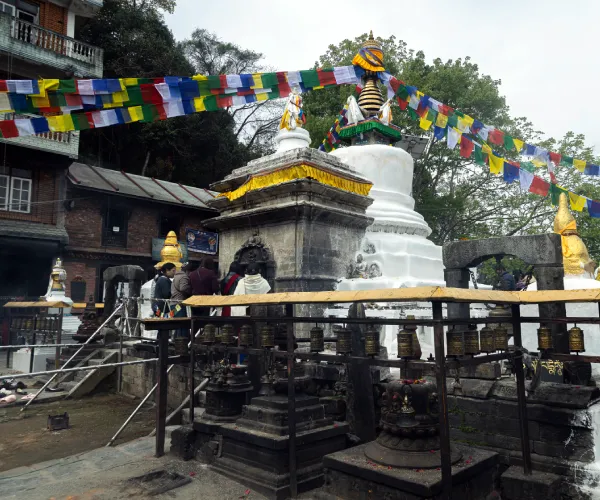
Kathmandu Valley – Eight Bodhisattva Places & Lokeshvaras
Swayambhunath Stupa
Boudhanath Stupa
Namobuddha Monastery
Pharping – Meditation Caves & Tara Temples
Bajrayogini Temples – Sankhu, Pharping, Nagarjun, Bijeshwari, and sub-temples (Champa, Bajrabarahi, Guhyeshwari)
Patan & Kathmandu Monasteries – Hiranya Varna Mahavihar, Uku Bahal
Himalayan Monasteries – Mustang, Dolpo, Manang, Solukhumbu
Manjushri Pilgrimage Sites – Across Kathmandu, Patan, and Himalayas

Expert-guided pilgrimage with in-depth knowledge of Mahayana, Vajrayana, and Theravada Buddhism
Customized itineraries for spiritual, cultural, or academic interests
Access to sacred sites often unavailable to general tourists
Interaction with monks, scholars, and local Buddhist communities
Comfortable transport, accommodations, and well-planned schedules
Responsible tourism supporting monasteries and local communities

Nirvana Journey is the dedicated spiritual travel division of Asia Buddhist Tours & Treks, specializing in authentic Buddhist pilgrimages, sacred journeys, and transformative experiences across the Himalayan region asiabuddistours.com

Contact us