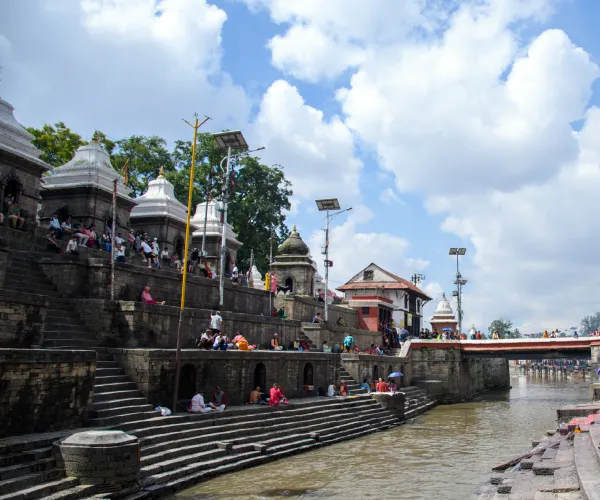
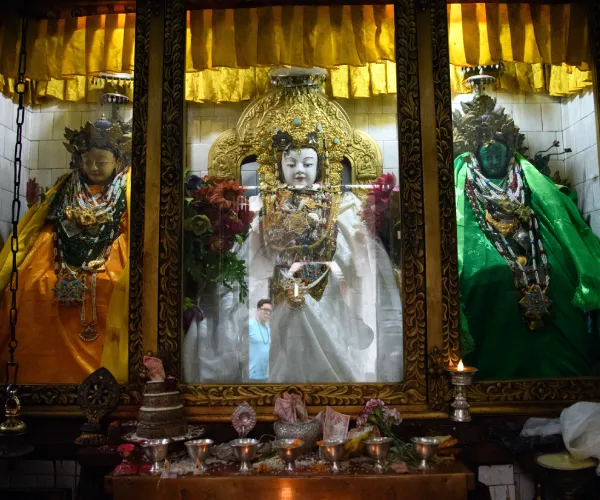
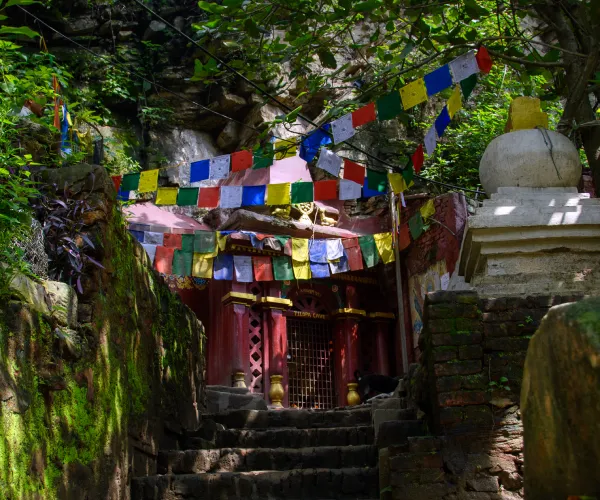
Experience and Feel, not just travel

The Footsteps of Guru Padmasambhava Tour in Nepal

Visit the sacred places where Guru Rinpoche meditated, bestowed blessings, and established the Vajrayana tradition in Nepal.

  • Duration 22 Days
  • Trip Grade Easy
  • Max Height 4300m.
  • Start From Kathmandu
  • Ends at Kathmandu
  • Group Size 2+
  • Transportation Bus / Car / Flight
  • Trip Meals Breakfast, Lunch, and Dinner
  • Accommodation Hotel / Lodge / Tea House
  • Best Season April, May, September, October (best in terms of view), November

Overview

To follow the footsteps of Guru Padma Sambhava in Nepal is to enter a sacred landscape where outer travel gently transforms into an inner journey. Nepal, revered in Vajrayana Buddhism as a land of hidden power places, beyul (hidden valleys), and awakened geography, holds some of the most profound Guru Padmasambhava sacred sites in Nepal. These are not merely historical locations but living Vajrayana mandalas shaped by meditation, realization, and enlightened activity.

This pilgrimage invites you to walk through ancient valleys, silent Guru Padmasambhava meditation caves, remote Himalayan regions, and living monasteries where Guru Rinpoche’s presence is remembered not only through written history, but through oral lineage, sacred stories, self-arisen signs (rangjung), and the unbroken continuity of devotion preserved by local communities.

The Footsteps of Guru Padma Sambhava in Nepal tour is designed as a Vajrayana pilgrimage, not a conventional sightseeing journey. Each sacred site is approached as a practice field—a space for awareness, reflection, and inner transformation. In Vajrayana understanding, places become sacred because realization has imprinted itself upon the land. When approached with mindfulness and respect, these landscapes naturally awaken clarity, humility, and inner stillness.

This journey is open to everyone. You do not need to be Buddhist, nor do you need prior knowledge of Vajrayana Buddhism or the Nyingma lineage. Many travelers join this Guru Rinpoche pilgrimage in Nepal simply to experience the spiritual depth of the Himalayas and Nepal’s sacred geography. Others come as practitioners seeking a deeper connection with Guru Padmasambhava and the living Vajrayana tradition. Whatever your background, this pilgrimage meets you where you are—offering space for contemplation, healing, and quiet transformation.

More than a tour, this journey is an invitation to slow down and experience Nepal as a living Vajrayana mandala—a place where mountains become teachers, caves become sanctuaries, and each step becomes a moment of mindful presence.

Guru Padmasambhava, universally revered as Guru Rinpoche, meaning “Precious Master,” stands as one of the most influential figures in the history of Vajrayana Buddhism. Spiritually regarded as an emanation of Buddha Amitābha, he arose from enlightened compassion to guide beings through the tantric path suited for challenging times. In Tibetan Buddhism, he is honored as the Second Buddha, not as a title of hierarchy but as recognition of his essential role in establishing, protecting, and transmitting Vajrayana throughout the Himalayan region.

According to sacred tradition, Guru Padmasambhava was miraculously born in the 8th century from a lotus flower floating upon Lake Dhanakosha in the ancient land of Oddiyana. From an early age, he demonstrated mastery of mantra, tantra, and yogic realization, embodying the union of wisdom (prajñā) and compassion (karuṇā).His path was not limited to monastic discipline; he embodied the Vajrayana yogi who transforms obstacles, emotions, and even hostile environments into the path of awakening.

Guru Padmasambhava’s greatest historical contribution lies in transmitting Vajrayana Buddhism across Nepal, Tibet, and Bhutan. Before entering Tibet, he practiced extensively at Padmasambhava caves in Nepal, stabilizing his siddhis and preparing the land as a spiritual foundation for future practitioners. His enlightened activity transformed spiritually volatile regions into sacred mandalas, enabling the long-term flourishing of the Nyingma lineage.

Nepal holds a uniquely central place in the enlightened life of Guru Rinpoche. Far more than a passageway, Nepal served as a primary Vajrayana practice ground where he accomplished some of his most significant realizations. Many of the most important Guru Padmasambhava sacred sites in Nepal are places where he resided inside caves, performed intense sadhana, subdued obstructive forces, concealed terma, and empowered the land itself.

At Maratika Cave, Guru Padmasambhava and Princess Mandarava attained the realization of deathless awareness through the Amitāyus long-life practice. This realization established Maratika as one of the most sacred Vajrayana pilgrimage sites in the Himalayan world, revered for longevity, purification, and fearlessness.

In Pharping, particularly at Yangleshö and Asura Caves, Guru Rinpoche practiced Yangdak Heruka and Vajrakīlaya sadhana, overcoming profound inner and outer obstacles and stabilizing Mahāmudrā realization. These accomplishments were essential preparations for his future enlightened activities in Tibet.

Traditional accounts also describe Guru Padmasambhava subduing powerful obstructive forces at Yarinak Cave in Timal, transforming harmful energies into Dharma protectors—illustrating the Vajrayana principle of liberation through transformation rather than suppression.

Across Nepal, Guru Rinpoche blessed numerous sacred landscapes, including Pharping Asura Caves, Maratika,YariNak, Chumik changchup cave Daman, Nuwakot, Patan’s I-Bahi, Helambu Beyul, Upper Mustang, and Muktinath. These places remain sacred not because of monuments, but due to living oral lineage, continuous practice, and meditative presence.

One of Guru Padmasambhava’s most extraordinary contributions to Vajrayana Buddhism is the system of Terma, or hidden treasure teachings. Foreseeing times of spiritual decline and social upheaval, Guru Rinpoche concealed sacred teachings—texts, ritual objects, and wisdom instructions—within the landscape, the elements, and even the minds of future disciples. These Termas were later revealed by realized masters known as Tertöns, ensuring that the Dharma would remain fresh, relevant, and accessible across generations.

Nepal’s caves, mountains, and valleys are regarded as important terma landscapes, where Guru Rinpoche intentionally embedded spiritual potential. This understanding elevates Nepal beyond historical geography, viewing it instead as a living Vajrayana treasury, continually revealing blessings to sincere practitioners.

Because of these profound achievements, Nepal is revered as one of the holiest lands of Vajrayana Buddhism—a place where one can still feel Guru Padmasambhava’s presence not as memory, but as living spiritual energy. For pilgrims walking in his footsteps, Nepal offers a rare opportunity to connect directly with the source of Himalayan Vajrayana, receiving inspiration, protection, and timeless blessings.

In Vajrayana Buddhism, pilgrimage is not symbolic—it is experiential awakening through realized space. Nepal occupies a unique spiritual position because Guru Padmasambhava’s enlightened activities unfolded directly within its natural landscape. Mountains, caves, rivers, and valleys function as living participants in Vajrayana transmission.

Unlike conventional travel, this Guru Rinpoche pilgrimage in Nepal offers direct engagement with sacred geography still accessed through living tradition. These sites preserve the blessing stream (byin rlabs) of Guru Padmasambhava, allowing modern pilgrims to encounter the same spiritual energy that supported his realization.

This pilgrimage does not require belief—only openness. Whether Buddhist or not, travelers often experience inner quiet, emotional clarity, and a deep sense of presence. To walk the footsteps of Guru Padmasambhava in Nepal is to enter a living Vajrayana mandala, where the journey itself becomes the practice.

The following sites represent the key places where Guru Padmasambhava’s enlightened presence is felt most profoundly in Nepal. Each location holds deep Vajrayana significance, living oral lineage, terma or beyul connections, and caves or sacred spaces where the Lotus-Born Master practiced and empowered the land. These are the heart of the pilgrimage, guiding travelers along the authentic footsteps of Guru Rinpoche.

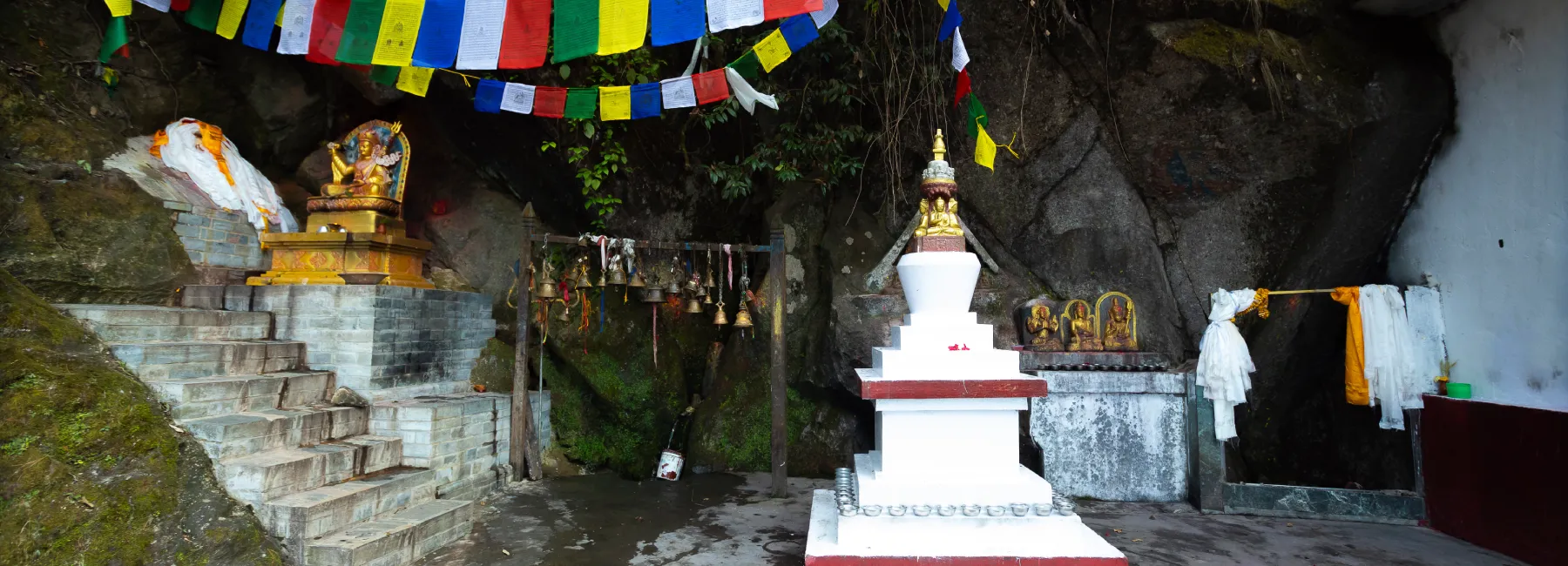
Pharping – Guru Padmasambhava Meditation Caves of Yangleshö and Asura
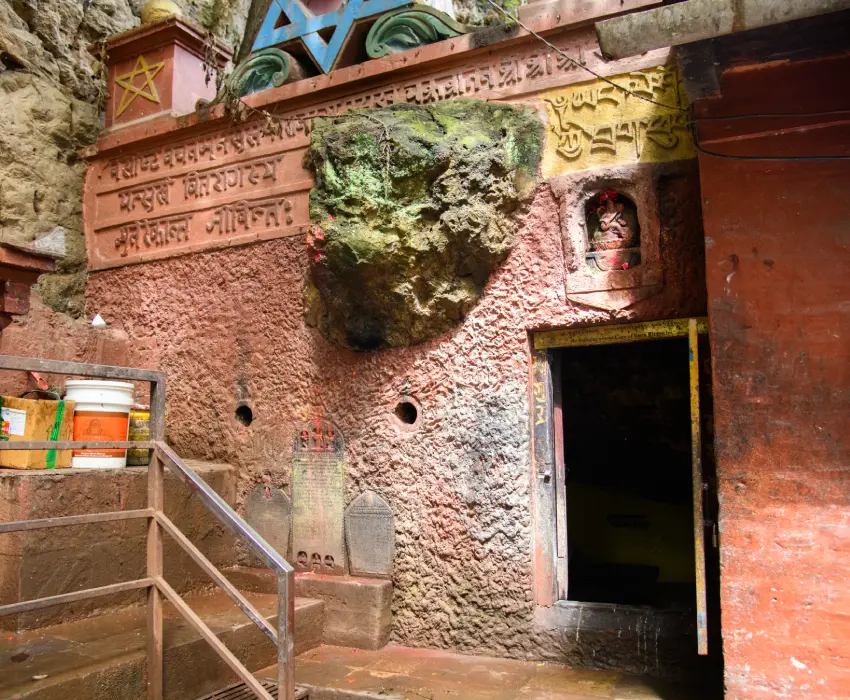
Pharping, known in ancient Vajrayana texts as Yangleshö, is one of the most powerful and essential sacred sites associated with Guru Padmasambhava in Nepal. Situated in the pine-covered hills south of the Kathmandu Valley, this quiet village marks a decisive stage in the Guru’s enlightened activity—where he did not merely pass through, but entered prolonged retreat, dwelt within sacred caves, and accomplished profound realization.

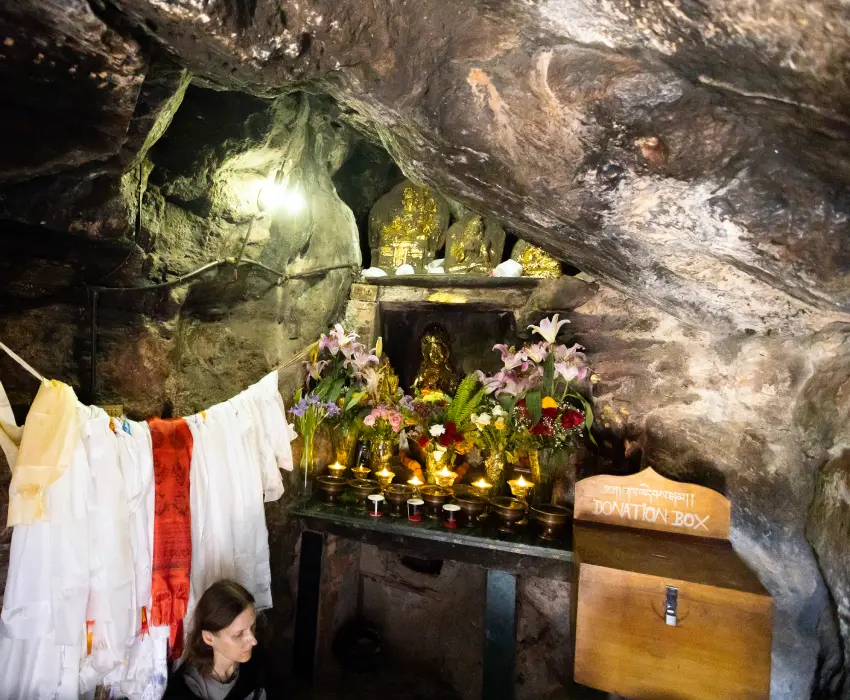
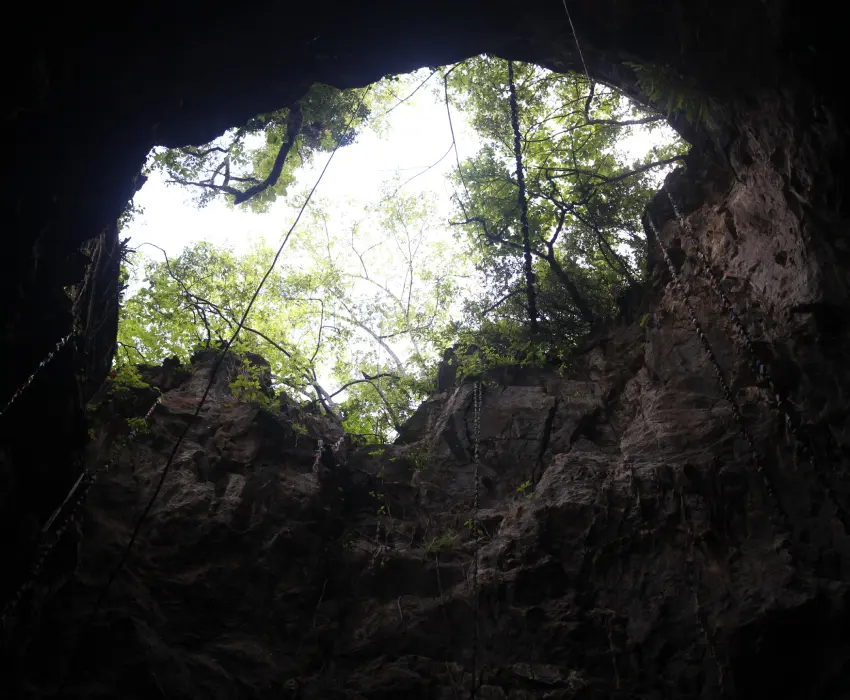
At Yangleshö Cave, Guru Padmasambhava resided in deep meditation, undertaking the combined tantric practice of Yangdak Heruka and Vajrakīlaya. According to the Nyingma tradition, this retreat was undertaken to remove immense inner and outer obstacles affecting both practitioners and the surrounding land. Through the power of his sadhana, obstructive forces were pacified, drought conditions were alleviated, and Guru Rinpoche attained the realization of Mahamudra, the direct recognition of the nature of mind.
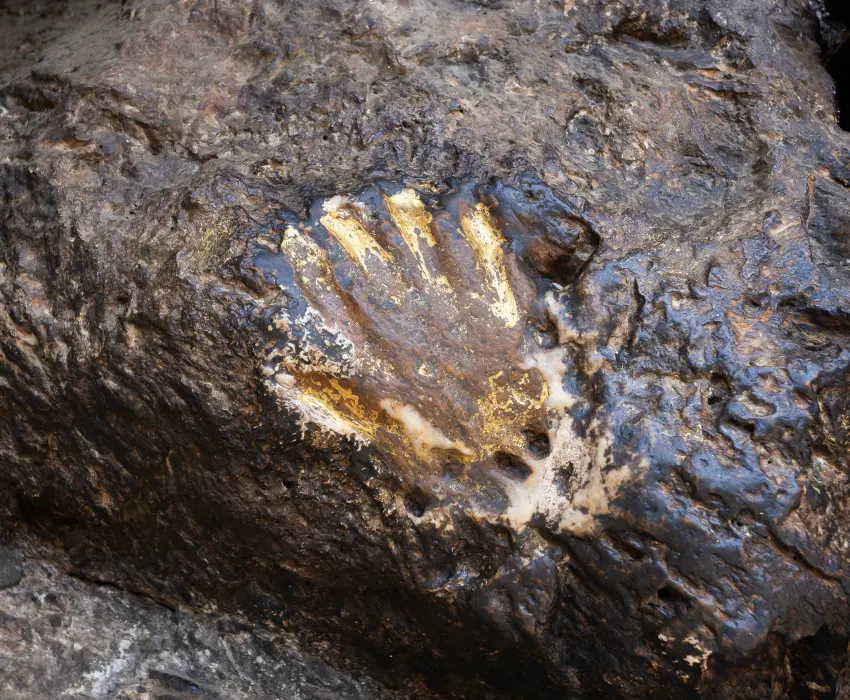
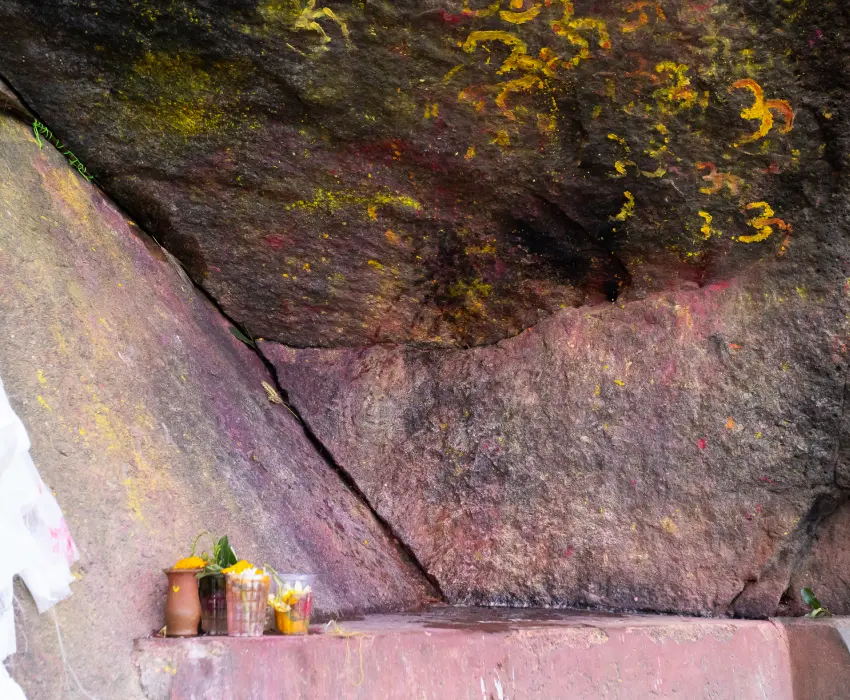
Within the cave, pilgrims venerate rangjung (self-arisen) sacred signs, including symbolic handprint impressions and naturally formed markings on the rock surfaces. These are not understood as historical proof, but as devotional supports—expressions of enlightened activity perceived through faith and lineage transmission. The atmosphere inside the cave is inward, focused, and energetically charged; many pilgrims experience heightened concentration, emotional clarity, and a strong sense of spiritual presence simply by sitting in silence.

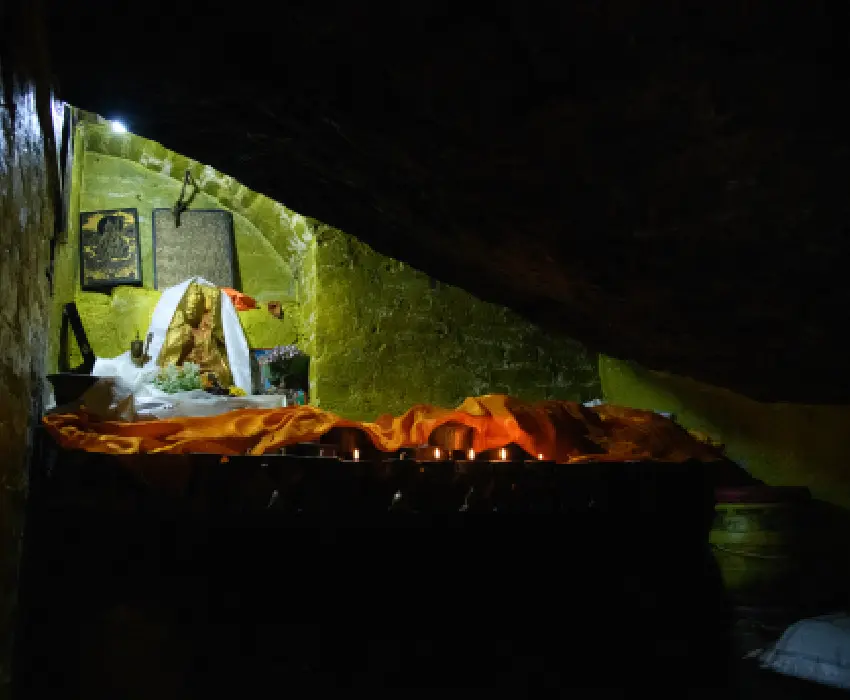
Following this realization, Guru Padmasambhava moved to nearby Asura Cave, where he continued to dwell and stabilize his attainment. Asura Cave represents the phase of integration—where realization is embodied and made unwavering. The energy here is calm, grounded, and deeply stabilizing, supporting meditation and quiet reflection. For pilgrims, Asura Cave offers a profound sense of stillness and inner balance, making it an ideal place to set intention at the beginning of the pilgrimage.

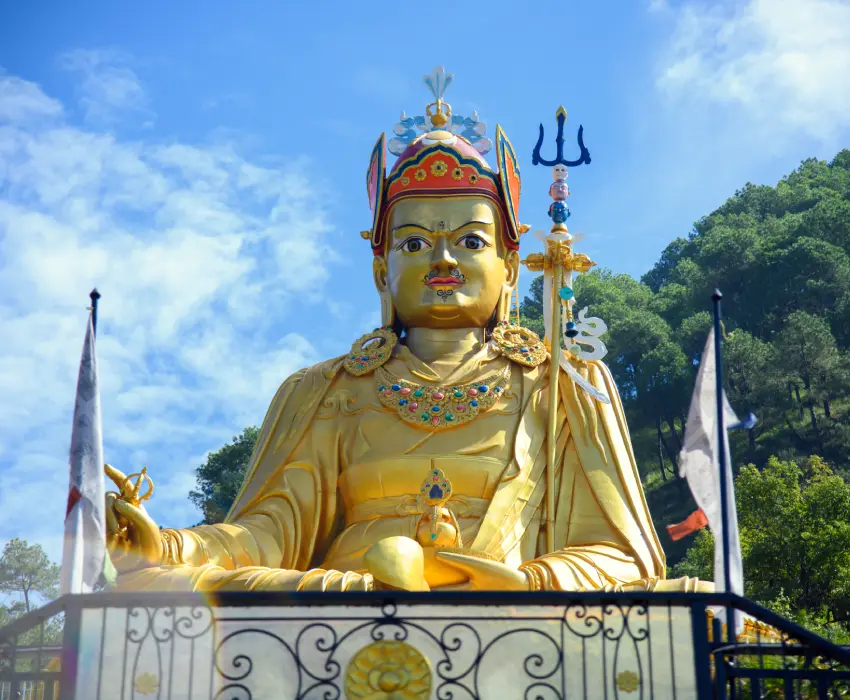
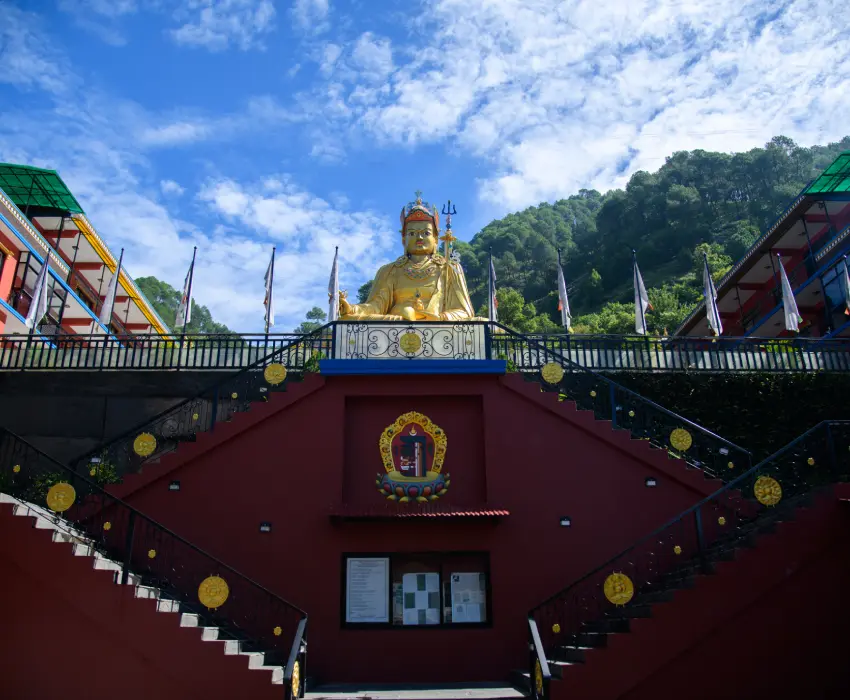
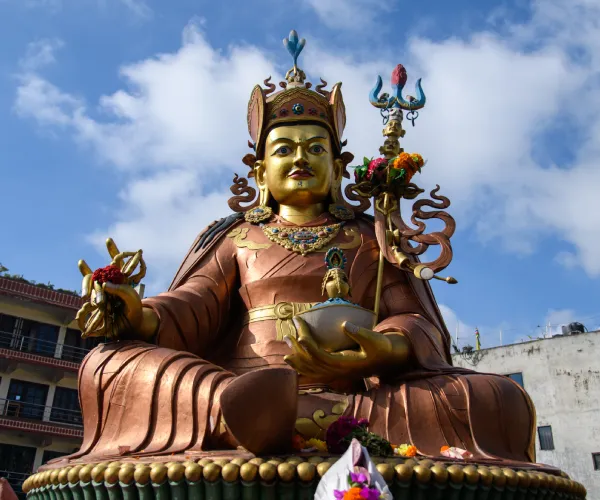
One of Pharping’s most prominent landmarks is the 40-meter Guru Padmasambhava (Guru Rinpoche) Statue, located at Palyul Samten Osel Ling Monastery (Gonpa) on the hillside overlooking the sacred valley. The statue has become an important place of pilgrimage, where devotees offer ceremonial silk scarves (khatas), butter lamps, and incense, recite the Vajra Guru Mantra, and make aspirations for wisdom, compassion, and the removal of obstacles. Together with the sacred meditation caves of Yangleshö and Asura, the monastery and statue reflect Pharping’s living Vajrayana heritage, preserving the blessings and teachings of Guru Padmasambhava for practitioners and pilgrims from around the world.

Today, Pharping remains a living Vajrayana power place. Butter lamp offerings, incense, mantra recitation, and meditation continue daily, linking modern pilgrims directly to the Guru’s original practice stream. As the first major stop on this journey, Pharping sets the tone for the entire pilgrimage—inviting each traveler to turn inward, establish discipline, and step consciously onto the sacred path of Guru Padmasambhava.

Maratika Cave – Guru Padmasambhava and the Achievement of Immortality
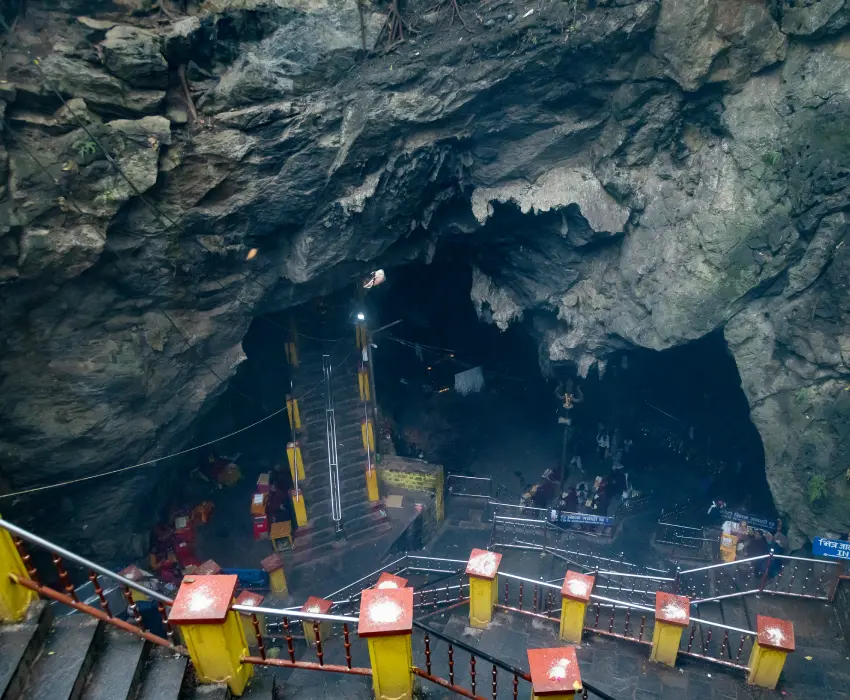
Maratika Cave, also known as Halesi, holds a singular place among the most revered Vajrayana and Amitāyus sacred sites in Nepal. Nestled within the remote limestone hills of eastern Nepal’s Khotang District, it is celebrated as the place where Guru Padmasambhava and his Indian consort, Princess Mandarava, entered profound retreat and attained the Vidyādhara state of Deathless Awareness through the practice of the Amitāyus long-life sadhana. Regarded as a living Vajrayana power place, Maratika continues to draw pilgrims from across the Himalayan world who seek longevity, purification, and deep spiritual renewal.
According to Vajrayana tradition, Guru Rinpoche and Mandarava meditated here for extended periods, dispelling obstructive forces and realizing immortal pure awareness beyond birth and death. Amitāyus, the Buddha of Limitless Life, is believed to have appeared and bestowed the long-life empowerment, leaving behind a sacred stone vase (tse bum) within the cave that devotees still venerate as a powerful support for long-life aspirations and blessings. This realization was not only for personal awakening, but to establish an enduring field of spiritual energy benefiting countless beings.

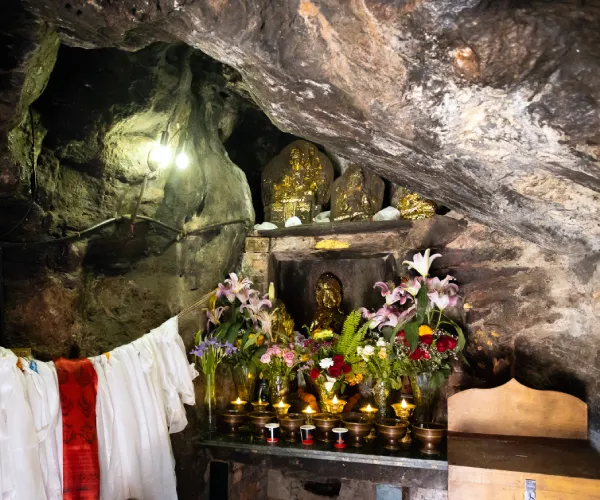
The cave itself is experienced as a naturally arisen mandala, with spacious chambers, meditation niches, stalactites, and self-arisen sacred symbols (rangjung) that serve as supports for devotion and realization. Surrounding hills named after the Lords of the Three Families—Avalokiteshvara, Vajrapani, and Manjushri—form a protective mandala around Maratika, uniting compassion, power, and wisdom within a single sacred geography. Inside, the silence and presence of naturally formed sacred features create a deeply contemplative atmosphere, inviting reflection on impermanence and the preciousness of human life.
Terma traditions further speak of hidden teachings concealed here by dakinis at the behest of Avalokiteshvara, establishing Maratika as not only a historical retreat site but a treasury of long-life and purification practices. Even today, Maratika remains an active field of practice where long-life prayers, retreats, and rituals are continuously performed, allowing modern pilgrims to connect directly with the living Byin rlabs—the unbroken blessing stream—of Guru Padmasambhava and Princess Mandarava.

Timal Yarinak Cave – Guru Padmasambhava’s Vajrakīlaya Practice Site
Nestled in the secluded hills of Kavre, the valleys of Timal and Yarinak are sacred retreats where Guru Padmasambhava conducted deep meditation, concealed terma, and transformed obstructive energies. Here, he subdued the demon Yaksha Nagpo, striking the ground with his walking stick, which miraculously grew into an enlightened tree. The seeds of this tree were used as mala beads, now revered as living symbols of Bodhicitta—the awakened mind of compassion to benefit all beings.
In the meditation caves scattered throughout the valleys, Guru Rinpoche practiced Vajrakīlaya sadhana, turning obstacles into Dharma protectors. This reflects a central Vajrayana teaching: true liberation comes from transforming negative forces into spiritual strength.
Pilgrims walking the forested paths, meditating in the quiet caves, or pausing at holy springs often sense a gentle protective energy. The land becomes a mirror for inner stillness, supporting clarity, peace, and the cultivation of Bodhicitta. Timal and Yarinak remain essential stops for those wishing to connect with Guru Padmasambhava’s living Vajrayana energy in Nepal.

Helambu Beyul – Hidden Valley Blessed by Guru Padmasambhava
High in the misty Himalayan hills north of Kathmandu lies Helambu, recognized as a beyul—a “hidden land” prophesied by Guru Padmasambhava to shelter sincere practitioners during times of spiritual decline. Rather than a single cave or monastery, Helambu functions as a living, naturally consecrated mandala, where the landscape itself—forests, rivers, valleys, and peaks—carries the Guru’s blessing and concealed terma for future tertöns (treasure revealers).

According to Vajrayana tradition, Guru Rinpoche entered the valleys in meditation, harmonizing obstructive energies and imbuing the land with subtle spiritual power. Although he did not reside in one fixed monastery here, his energetic presence is preserved through local practice, the continuity of monastic lineages, and the Terma hidden in the valleys for discovery by future generations.

Pilgrims exploring Helambu may visit small caves, hilltop stupas, and living monasteries of the Hyolmo community, witnessing a rare integration of natural and spiritual landscapes. The environment fosters deep inward reflection, a sense of openness, and energetic protection, in accordance with the concept of Beyul as a spiritually activated sanctuary.

Emotionally, Helambu offers a feeling of spaciousness and guidance; many pilgrims report a gentle quieting of the mind and heart, as if the land itself is teaching patience, presence, and the subtle rhythms of Vajrayana practice. The valleys are also associated with hidden Termas, which are believed to carry the Guru’s blessings for those who come with devotion and sincere intention.

Helambu’s sacred power is not merely historical—it is alive today, in the prayer flags fluttering across ridges, the daily pujas of local monasteries, and the silent meditation of those who tread the hidden paths. For any pilgrim following the footsteps of Guru Padmasambhava, Helambu represents both a refuge and a mirror for inner awakening, bridging the visible and hidden dimensions of Vajrayana practice.

Chumik Changchup Cave – Hidden Vajrayana Power Place of Guru Padmasambhava
Perched high on the misty ridges of Daman, Chumik Changchup—literally “Spring of Enlightenment”—is a profound Vajrayana power place where Guru Padmasambhava resided and practiced inside the cave, directly transforming obstructive forces through tantric sadhana. According to local and Nyingma oral traditions, the Guru confronted malevolent energies here, striking the ground with his Vajrakīlaya dorje, from which a sacred spring arose. This spring symbolizes the emergence of wisdom from the transformation of ignorance, a living reminder of the Guru’s compassionate activity.

Inside the cave, the Guru is said to have meditated continuously, stabilizing the energies of the land and leaving subtle imprints that support spiritual practice. The cave itself is considered a terma site, containing concealed blessings and empowering energy that can only be accessed by sincere practitioners attuning to the Guru’s mind. These hidden treasures were intentionally left to benefit future generations, in accordance with Vajrayana tradition.

Pilgrims visiting Chumik Changchup often describe a profound awakening of inner clarity, heightened presence, and emotional purification. The combination of cool stone, flowing water, and the lingering energetic imprint of the Guru creates a supportive environment for meditation and devotional practice. Offering prayers, reciting mantras, or simply sitting in silence in the cave aligns the pilgrim with the Guru’s compassionate force, allowing both subtle and powerful transformation of obstacles.
Chumik Changchup is not just a physical location—it is a living sanctuary, a place where the inner and outer worlds meet, and where the principles of Vajrayana—wisdom, compassion, and skillful means—are made tangible. It serves as a key spiritual waypoint on the journey through Nepal, preparing the mind and heart for deeper experiences in subsequent sacred sites.

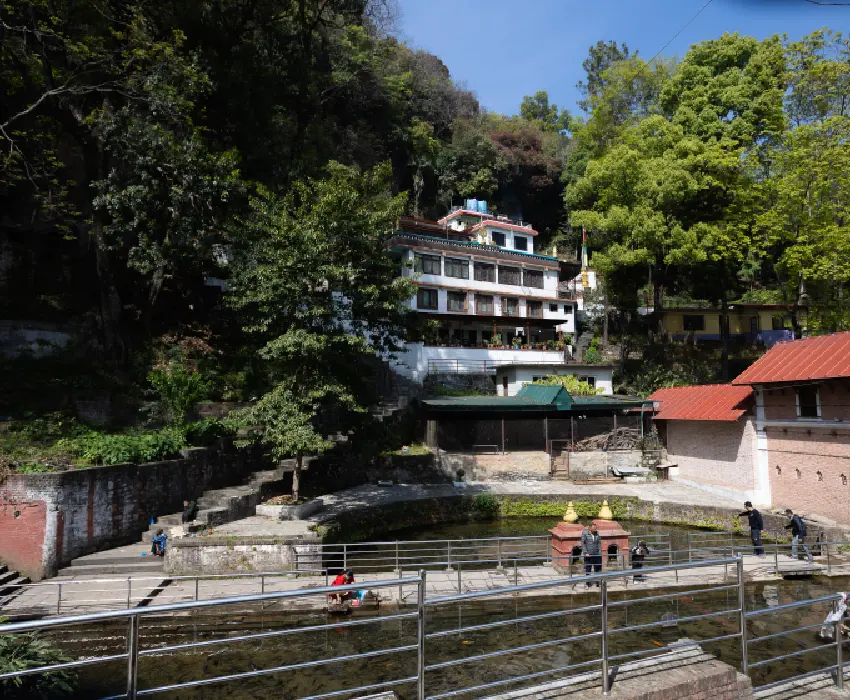
Godawari Kunda: The Sacred Spring of Guru Padmasambhava
Nestled beneath the forested slopes of Phulchowki Hill in Lalitpur, Godawari Kunda is one of Nepal’s most sacred pilgrimage sites associated with Guru Padmasambhava (Guru Rinpoche). In the Tibetan Buddhist tradition, following the Footsteps of Guru Rinpoche is a profound pilgrimage practice for receiving the living blessing (Adhiṣṭhāna) of the Second Buddha, and Godawari represents an important chapter of his 8th-century journey through the Kathmandu Valley.

According to the Nyingma tradition, Guru Padmasambhava practiced in the meditation caves and forests above Godawari before continuing his journey to Tibet. At that time, the dense wilderness of Phulchowki was believed to be inhabited by Nagas, Yakshas, and powerful local deities. Through advanced Vajrayana tantric sadhanas, Guru Rinpoche subdued these negative forces and bound them under sacred oath (Samaya), transforming them into protectors of the Buddhadharma and future spiritual practitioners.

Godawari is also revered as a sacred Terma landscape. Vajrayana tradition holds that Guru Padmasambhava concealed hidden spiritual treasures—teachings, blessed relics, and ritual objects—within the rocks, ravines, and sacred spring sources surrounding Phulchowki. These treasures were destined to be revealed by future Tertöns (treasure revealers) during times of spiritual decline, ensuring the continuity of the Dharma.

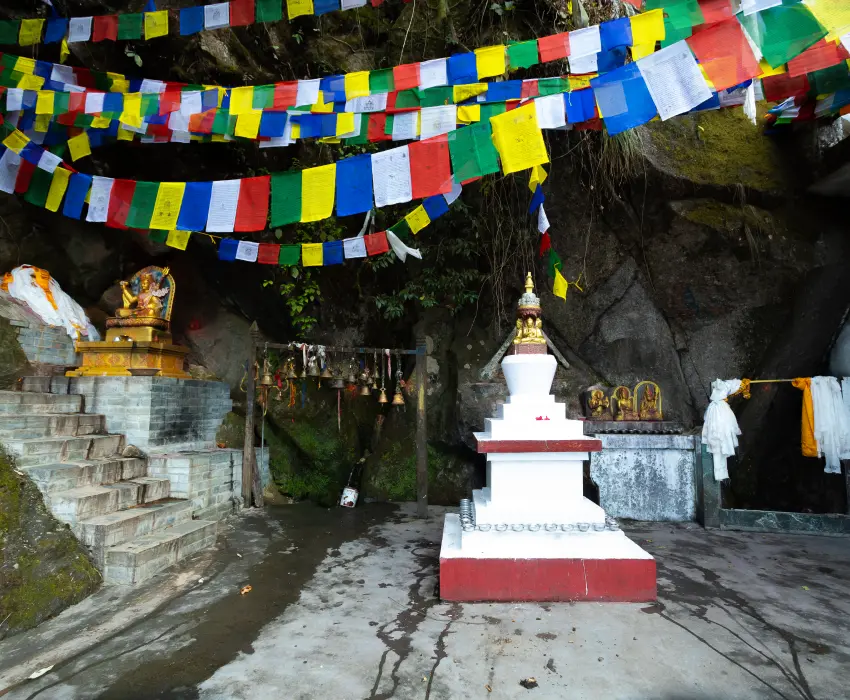
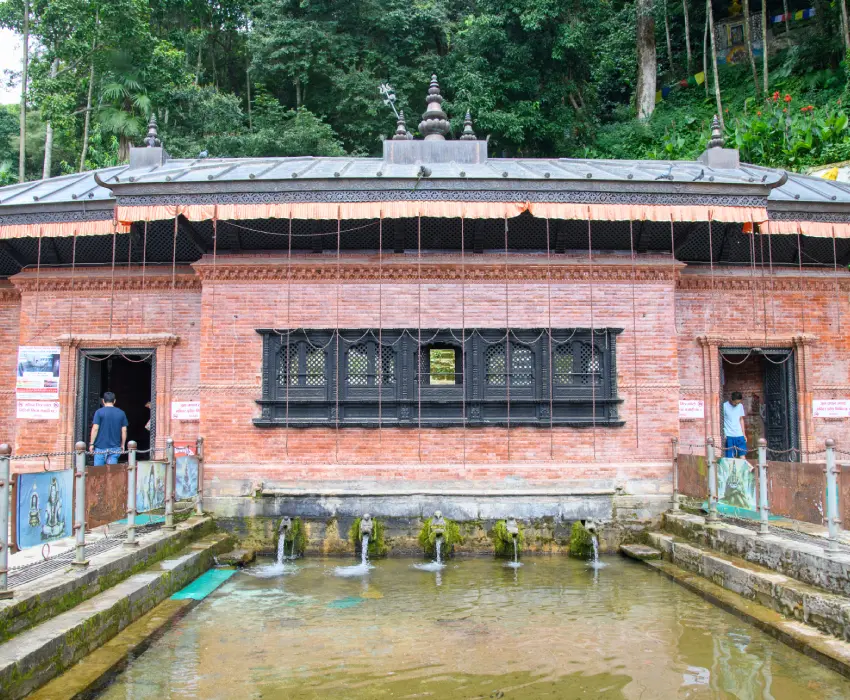
The crystal-clear spring of Godawari Kunda symbolizes the purification of body, speech, and mind. Pilgrims visit to offer butter lamps, incense, flowers, and khatas, collect the blessed spring water, and meditate in the peaceful forest sanctuary. As a sacred gateway within the Footsteps of Guru Padmasambhava Pilgrimage, Godawari remains a living place of blessing, protection, and spiritual awakening in the Kathmandu Valley.

Nuwakot Sacred Sites – Devighat and Kabilash in Guru Padmasambhava’s Journey
The Nuwakot region holds a special place in the journey of Guru Padmasambhava through Nepal. Blessed with rolling hills, river confluences, and sacred groves, this area reflects the Guru’s activity of sanctifying landscapes, subduing obstacles, and leaving concealed blessings (terma) for future generations.
Kabilash

In the serene hills of Kabilash, Guru Padmasambhava is said to have paused for meditation and reflection, creating energetic sanctity that continues to permeate the land. While no permanent cave retreat remains, oral Vajrayana tradition asserts that the Guru imbued the surrounding hills and springs with protective spiritual energy, establishing Kabilash as a subtle sanctuary. Pilgrims visiting today experience a calm, stabilizing presence, supporting both contemplative practice and introspective reflection.

Devighat
At the confluence of sacred rivers in Devighat, Guru Rinpoche engaged in tantric practice and subjugation of obstructive forces, converting them into guardians of Dharma. Local lore describes the Guru performing rituals that harmonized elemental energies, leaving the area blessed for purification and empowerment. Devighat is also considered a terma site, with hidden spiritual treasures embedded in the rocks, groves, and waters—waiting for sincere practitioners to attune with the Guru’s mind.

Visiting Kabilash and Devighat, pilgrims often experience a renewed steadiness of heart and mind, as well as a heightened sense of protection and connection to the land. These sites exemplify Guru Padmasambhava’s unique method of working through the natural environment itself, allowing devotees to directly feel the integration of Vajrayana principles: transformation, blessing, and empowerment.

The Nuwakot region, with its rivers, hills, and sacred groves, serves as a prelude to the more remote highland pilgrimages, offering both energetic grounding and subtle initiation into the blessings of the Guru’s presence.

I-Bahi Patan – Early Vajrayana Footprint of Guru Padmasambhava in the Kathmandu Valley
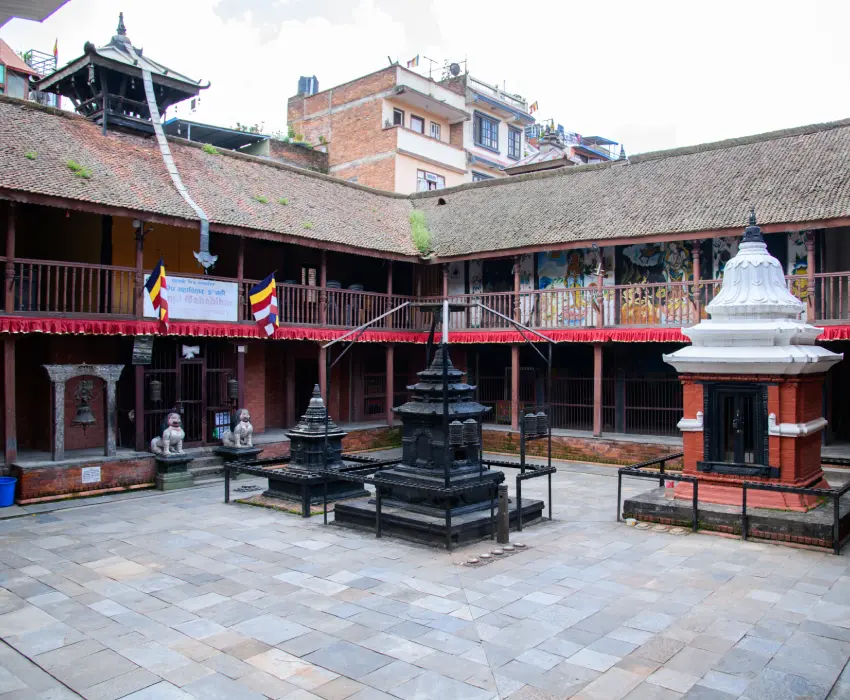
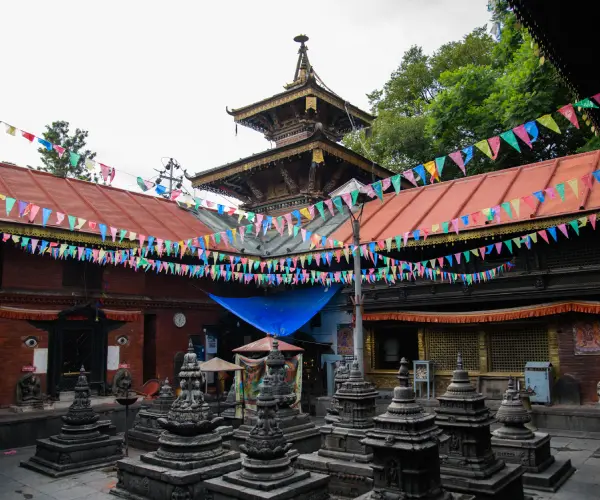
In the heart of Patan, the ancient Newar Buddhist city, lies I-Bahi, also known as Uku Bahal—a sacred courtyard where the living Vajrayana tradition thrives. Unlike remote caves or highland valleys, I-Bahi represents Guru Padmasambhava’s integration of tantric practice into daily life, blessing not just isolated meditators but entire communities of practitioners.

According to local Newar Vajrayana lineage, Guru Rinpoche sanctified this courtyard, leaving subtle imprints of his presence that continue to guide devotees in ritual practice, mantra recitation, and daily puja. The site is especially associated with Guru Rinpoche’s activity to empower the local Vajra protectors and establish continuous spiritual lineage, which is preserved in the courtyard’s stupas, shrines, and the rhythm of communal devotion.

Pilgrims visiting I-Bahi can observe and participate in living Vajrayana practice, offering prayers, circumambulating the central shrines, or simply meditating amidst centuries of devotion. The courtyard embodies a direct connection to the Guru’s blessing, making it a rare place where spiritual transmission is felt in every chant, bell, and turning of prayer wheels.

Emotionally, I-Bahi offers a sense of immediacy and intimacy with Guru Padmasambhava’s presence. Pilgrims often report a strong feeling of support and guidance, as if the Guru’s mind itself permeates the space, encouraging devotion, mindfulness, and the integration of sacred practice into everyday life.
For travelers and spiritual seekers alike, I-Bahi represents the living, urban embodiment of Vajrayana, showing that enlightenment is not confined to caves or hidden valleys but can flourish within communities dedicated to devotion, discipline, and the Dharma.
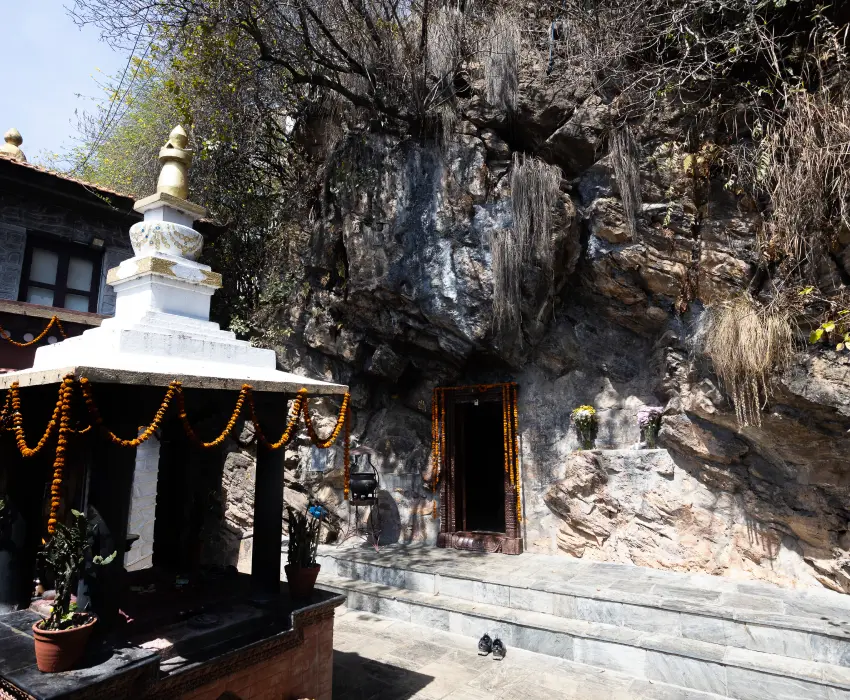
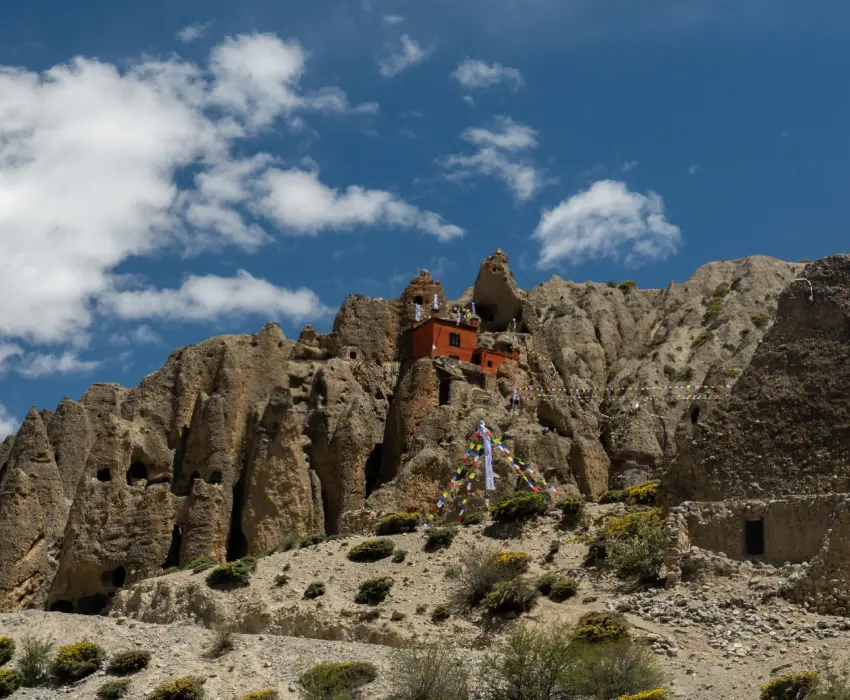
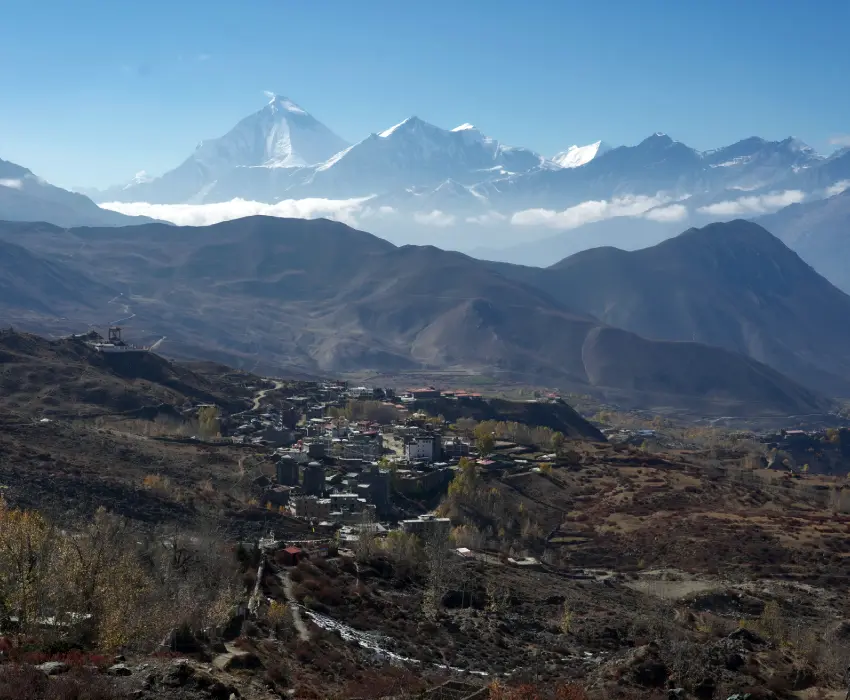
Upper Mustang, the remote desert of the Lo Kingdom, is one of the most sacred Vajrayana landscapes in the Himalayas. This high plateau served as a protected tantric realm, where Guru Padmasambhava meditated, concealed terma, empowered sacred sites, and prepared the region for the spread of Vajrayana Buddhism into Tibet. Its isolation preserved spiritual continuity, making it a living mandala of the Guru’s activity.
The Upper Mustang pilgrimage unfolds across caves, cliffside monasteries, and ancient walled cities, each infused with Guru Rinpoche’s transformative energy. Visitors are stepping into a landscape sanctified for centuries, where obstacles were subdued, energies harmonized, and terma concealed for the benefit of future practitioners.

Chungsi Cave – Transformation of Negative Forces
Located near Ghami village, Chungsi Cave is a sacred retreat where Guru Padmasambhava entered deep meditation, transforming negative forces into protectors of the Dharma. According to local tradition, the Guru’s presence remains palpable within the cave. Its confined space, natural formations, and silence create a powerful environment for spiritual practice.
Pilgrims visiting Chungsi often experience intense inner clarity and stabilization, a reflection of the Guru’s wrathful-compassionate energy transforming the inner obstacles of practitioners. The cave is also considered a terma site, where blessings are latent for those attuning with the Guru’s mind.

Lo Gekar Monastery (Ghar Gompa) – Oldest Monastic Seat
Lo Gekar, or Ghar Gompa, is one of the world’s oldest monasteries. Guru Padmasambhava is believed to have consecrated this site and empowered its sacred images, leaving blessings that facilitated the spread of Vajrayana practice across the Himalayan plateau. The monastery houses a special Guru statue, traditionally believed to carry his direct blessing, making it a living center of spiritual transmission.

Pilgrims experience a strong sense of lineage continuity, observing the monastic rituals and meditating in spaces imbued with centuries of tantric activity. Lo Gekar represents the fusion of Guru Rinpoche’s realization and monastic discipline, supporting both scholarly study and contemplative practice.

Red Cliffs – Symbol of Transformed Power
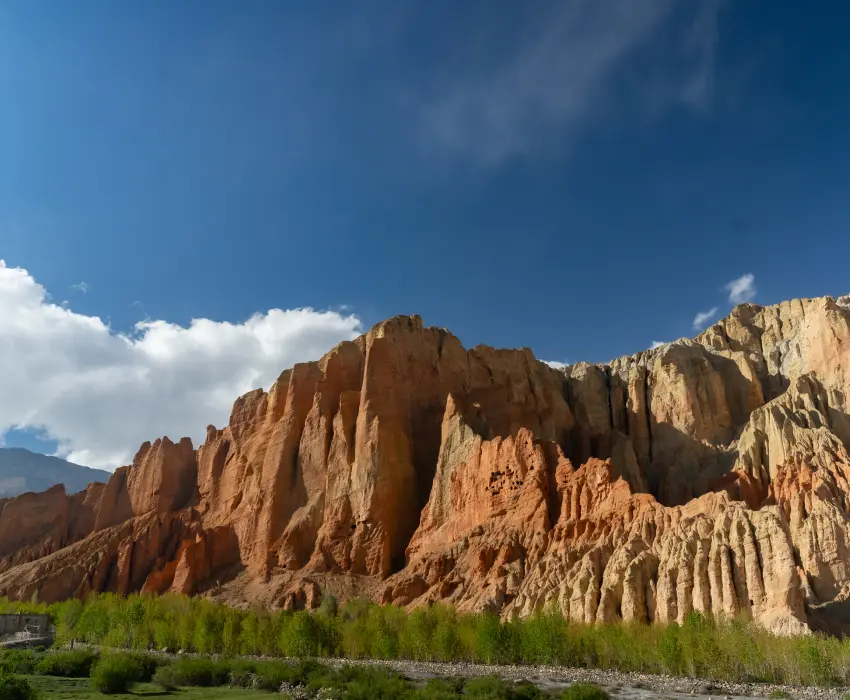
Local legend holds that the Red Cliffs were stained by the blood of a demon subdued by Guru Padmasambhava. Beyond myth, the cliffs symbolize the Vajrayana principle of transforming destructive forces into enlightened protection. Pilgrims walking this landscape often feel a profound sense of protection and the presence of subtle spiritual energy, reminding travelers of the Guru’s mastery over both external and internal obstacles.

Lo Manthang – Sacred Walled City
The walled city of Lo Manthang is a living mandala, preserving ancient monasteries, murals, and sacred assembly halls. Guru Padmasambhava’s influence permeates the city through lineage continuity, ritual practice, and spiritual empowerment of the landscape. Pilgrims walking the alleys and city walls experience a timeless atmosphere, connecting directly with the Guru’s blessings across centuries.

Luri Gompa – Cliffside Meditation Sanctuary
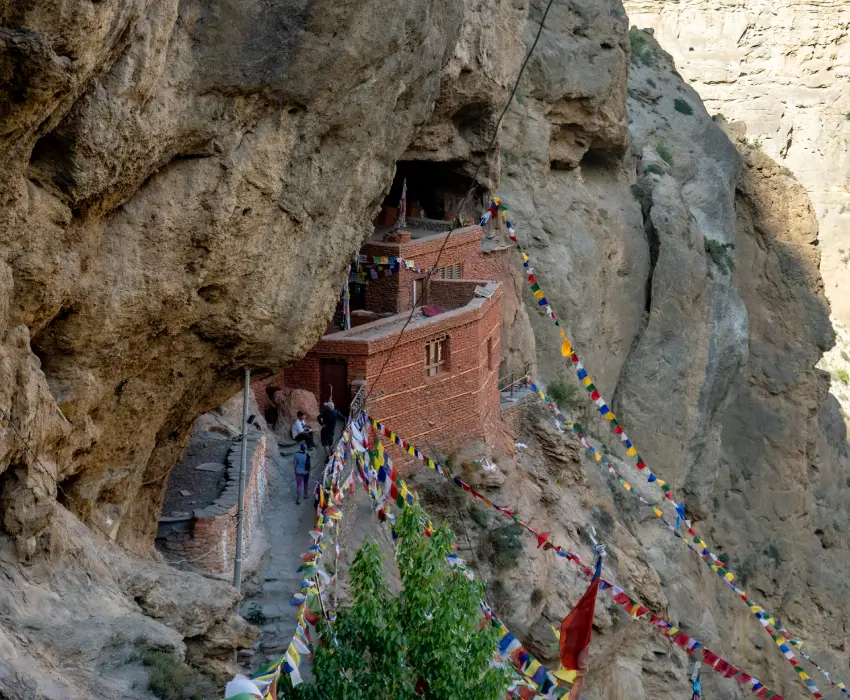
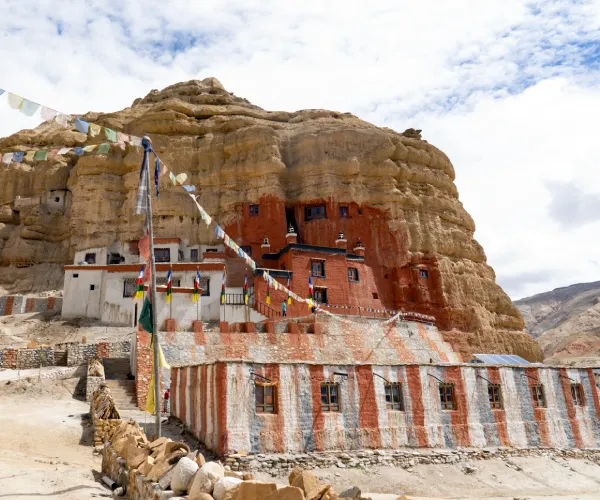
Perched on a high cliff, Luri Gompa is a 14th-century monastery containing ancient murals and meditation chambers. While built after Guru Padmasambhava’s time, the monastery preserves the continuity of his transmission, maintaining spaces for deep meditation, ritual, and reflection. Pilgrims often experience inner stillness, amplified by the desert’s isolation and the cliff’s protective presence.

Muktinath (Chumig Gyatsa) – Guru Padmasambhava, Liberation, and the Union of Elements
Muktinath, one of the 24 tantric sacred sites, is where Guru Padmasambhava is believed to have meditated during his 8th-century journey toward Tibet, harmonizing fire and water elements in a powerful symbolic act of purification. Pilgrims encounter 108 sacred water spouts and the eternal flame, representing the union of opposites and the cleansing of karma.

Muktinath serves as both a physical and spiritual crossroads, enabling practitioners to receive blessing, clarity, and energetic purification. The site reflects Guru Rinpoche’s mission: spreading Vajrayana Buddhism while empowering sacred geography to support future practitioners.

  • Follow the authentic pilgrimage route of Guru Padmasambhava in Nepal
  • Experience Vajrayana Buddhism through sacred places, not theory
  • Visit rare and powerful Guru Rinpoche meditation caves
  • Open to all travelers—Buddhist and non-Buddhist alike
  • Deep cultural immersion in Himalayan Buddhist communities
  • Ideal for spiritual transformation, reflection, and inner clarity
  • Guided by deep respect for lineage, tradition, and sacred geography

Deep Vajrayana Expertise: Guided by senior Buddhist practitioners with intimate knowledge of Guru Padmasambhava’s life and sacred sites in Nepal.

Authentic and Living Pilgrimage: Every site visited is approached with lineage respect, ensuring connection to the Guru’s spiritual energy rather than just sightseeing.

Curated Sacred Experiences: Exclusive access to meditation caves, hidden valleys, and lesser-known sites known only to experienced spiritual guides.

Integration of Practice and Travel: Our itineraries are designed to harmonize outer exploration with inner reflection, supporting genuine spiritual transformation.

Respect for Local Lineage and Communities: We collaborate with local monasteries and guardians, preserving centuries-old oral traditions and terma practices.

Tailored for Every Seeker: Whether you are a practitioner or a curious traveler, the journey adapts to your pace, readiness, and spiritual intention.

Trusted Himalayan Pilgrimage Experts: Nirvana Journey has a proven track record of safe, meaningful, and spiritually enriching tours across Nepal’s Vajrayana landscapes.

The Footsteps of Guru Padma Sambhava in Nepal is not about becoming someone else—it is about remembering who you are. As you walk these sacred lands, you are gently invited to slow down, listen inwardly, and receive the blessings that generations of practitioners have safeguarded. This journey offers not promises, but possibilities: of insight, peace, and connection.

If you feel called—whether by devotion, curiosity, or a quiet inner whisper—this pilgrimage awaits you. Step onto the path, and let Nepal reveal itself not only as a destination, but as a teacher.

Highlights

  • Direct Lineage Connection: Meditate in the very caves of Pharping (Yangleshö & Asura) and Maratika, where Guru Padmasambhava and Princess Mandarava realized Mahāmudrā and Deathless Awareness.
  • Activation of Subtle Energies: Experience Chumik Changchup, the “Spring of Enlightenment,” where the Guru’s compassionate activity manifests as clarity, purification, and awakening of inner potential.
  • Transformation of Obstructive Forces: Visit Chungsi Cave and the Red Cliffs, where negative energies were skillfully transformed into protectors of the Dharma, embodying the Vajrayana principle of liberation through transformation.
  • Encounter Living Sacred Symbols: Observe rangjung (self-arisen) handprints, mystical markings, and terma imprints within caves, cliffs, and monastery walls—direct expressions of Guru Rinpoche’s enlightened activity.
  • Ancient Monastic Empowerment: Receive blessings at Lo Gekar, the oldest monastery of Upper Mustang, and meditate amidst centuries-old murals and cliff-side chambers of Luri Gompa.
  • Purification of Elements and Karma: Stand at Muktinath, the sacred meeting of fire and water, using the 108 water spouts and eternal flame to cleanse karma and harmonize inner energies.
  • Inner Stillness in Hidden Lands (Beyul): Traverse Helambu and Timal, hidden valleys sanctified by Guru Padmasambhava, allowing the natural landscape to guide meditation, reflection, and subtle transformation.
  • Living Legacy of Guru Rinpoche: Explore Timal, where sacred mala seeds and consecrated groves continue to carry the blessings and presence of the Guru, connecting pilgrims to timeless Vajrayana practice.
  • Dedication and Completion of Merit: Conclude the pilgrimage at the Great Stupas of Boudhanath and Swayambhunath, offering the fruits of practice to all beings and linking personal insight with universal compassion.

Itinerary Expand All Collapse All

  • TransportationPrivate Vehicle
  • AccommodationDeluxe Hotel
  • Included MealsDinner Only

Drive to Pharping Your pilgrimage begins at the Kathmandu airport, where you will be met and driven south to the sacred valley of Pharping. This quiet village is one of the most important sites for followers of the “Lotus Born” Guru. As you leave the city for the pine forests and hills, the pace of life slows down. The evening is for resting and setting your intention for the pilgrimage by offering butter lamps and incense at a local monastery.

  • TransportationPrivate Vehicle
  • AccommodationDeluxe Hotel
  • Included MealsFull Board Meal

Today, you visit the most famous caves in Pharping. At Yangleshö Cave, Guru Padmasambhava combined the practice of Yangdak Heruka with Vajrakilaya to remove major obstacles and drought, eventually attaining the realization of Mahamudra. You can still see sacred signs of his presence today, including his handprint and other miraculous marks in the rock. Later, visit Asura Cave, where his realization was stabilized, and conclude the day at the massive Guru statue overlooking the valley.

  • TransportationPrivate Vehicle
  • AccommodationDeluxe Hotel
  • Included MealsFull Board Meal

Leaving Pharping, you head east on a long drive to Maratika. The journey takes you through beautiful river valleys and terraced farms, making the travel itself a part of your meditation. By the time you arrive in the evening, you will be far from the busy city. The night is kept simple and restful to prepare you for the deep spiritual work at the caves tomorrow.

  • TransportationPrivate Vehicle
  • AccommodationDeluxe Hotel
  • Included MealsFull Board Meal

This entire day is spent at Maratika Cave, the legendary place where the Guru and Princess Mandarava attained “deathless awareness” through Amitayus practice. Inside the vast limestone cave, you will find natural shrines and niches used for centuries by meditators. It is a day for long-life prayers, seated meditation, and reflecting on the preciousness of life. The silence and history of the cave offer a powerful sense of peace.

  • TransportationPrivate Vehicle
  • AccommodationDeluxe Hotel
  • Included MealsFull Board Meal

After morning prayers, you travel to the quiet valley of Timal. This area is tucked away in the hills and is known for its deep connection to the Guru’s retreat history and the origin of Bodhi seeds. In the afternoon, you can walk through the village and see small meditation caves that local people have protected for generations. It is a perfect place for journaling and finding inner stillness.

  • TransportationPrivate Vehicle
  • AccommodationDeluxe Hotel
  • Included MealsFull Board Meal

Spend a full day immersed in the nature of Timal. You will visit meditation caves and holy springs where the Guru is said to have stayed during his periods of retreat. The pace today is intentionally slow, allowing you to connect with the land and the local villagers. Whether you are walking or sitting in silence, the day is about honoring the simple, protective energy of this hidden valley.

  • TransportationPrivate Vehicle
  • AccommodationDeluxe Hotel
  • Included MealsFull Board Meal

Today, the pilgrimage climbs higher into the Helambu region. This area is known as a beyul, or a “hidden land” blessed by the Guru to protect practitioners. As you drive past waterfalls and through misty forests, you will feel like you are entering a sanctuary. In the village of Melamchi Ghyang, you can walk among the stupas and prayer wheels of the local Hyolmo community.

  • TransportationPrivate Vehicle
  • AccommodationDeluxe Hotel
  • Included MealsBreakfast

Start your morning with prayers at a local monastery to experience the living lineage of the region. The day is dedicated to exploring the hillsides and caves where the Guru’s presence is still felt strongly. The afternoon is flexible, giving you time to follow your own rhythm—whether that means a long walk or sitting quietly as the sun sets over the peaks.

  • TransportationPrivate Vehicle
  • AccommodationDeluxe Hotel
  • Included MealsFull Board Meal

You descend from the mountains and return to Kathmandu today. This move from the quiet “hidden land” back to the city is a chance to integrate what you have learned. The afternoon is free for rest, laundry, or catching up on your journal. This short break in the city helps you recharge before the journey continues to western Nepal.

  • TransportationPrivate Vehicle
  • AccommodationDeluxe Hotel
  • Included MealsFull Board Meal

After breakfast, depart Kathmandu for the misty, high ridges of Daman to encounter the legendary Chumik Changchup. Following lunch and hotel check-in, descend on a 45-minute spiritual hike to the “Spring of Enlightenment.” Here, you will stand on the ground where Guru Padmasambhava triumphed over demonic forces, pinning them with his divine power and extracting life-giving water from the Bajrakilla’s strike. Spend a contemplative afternoon exploring the cave’s depths, offering pooja, and meditating within the Guru’s lingering presence before returning to the hotel for a peaceful overnight stay.

  • TransportationPrivate Vehicle
  • AccommodationDeluxe Hotel
  • Included MealsFull Board Meal

The pilgrimage continues through Kabilash and Nuwakot, areas rich with local history. After stopping for prayers at these sacred spots, you continue the drive to the lakeside city of Pokhara. The soft energy of the lake provides a beautiful space for relaxation and lakeside meditation, preparing you for the more rugged journey into the high desert ahead.

  • TransportationPrivate Vehicle
  • AccommodationTea House/Lodge
  • Included MealsFull Board Meal

After breakfast, you begin a dramatic change in scenery as you head north to Kagbeni. You will follow the Kali Gandaki River, moving from green forests into a dry, desert-like landscape. Kagbeni is a beautiful medieval village that serves as the gateway to Upper Mustang. Spend the evening walking through its narrow alleys and visiting old ancient monasteries. Stay overnight in Kagbeni

  • TransportationPrivate Vehicle
  • AccommodationTea House/Lodge
  • Included MealsFull Board Meal

Today, you venture deeper into Upper Mustang, driving from Kagbeni to the village of Ghami. En route, you will leave the jeep for a 20–25 minute hike to reach the sacred Chungsi Cave, a site where Guru Padmasambhava is said to have transformed negative energies into positive forces. The cave’s powerful, timeless energy provides a perfect setting for deep meditation and practice. Afterward, continue the drive to Ghami; upon arrival, you can choose to unwind at the hotel or explore the village’s ancient monasteries. Stay overnight in Ghami.

  • TransportationPrivate Vehicle
  • AccommodationTea House/Lodge

Today, you drive from Ghami to the walled city of Lo Manthang, traversing a landscape steeped in legend. Along the way, you will pass the region’s longest mani wall and the striking Red Cliffs, which local lore says were stained by the blood of a demon subdued by Guru Padmasambhava. A highlight of the journey is a visit to Ghar Gompa (Lo Gekar), one of the world’s oldest monasteries; Inside is a very special Guru statue believed to have been created by Guru Padmasambhava himself. You will arrive in Lo Manthang by evening, leaving time to soak in the timeless, spiritual atmosphere of this ancient capital.

  • TransportationPrivate Vehicle
  • AccommodationTea House/Lodge
  • Included MealsFull Board Meal

The entire day is devoted to the spiritual treasures of Lo Manthang, including its major monasteries, ancient murals, and assembly halls. These spaces, shaped by centuries of isolated devotion, provide a unique environment for slow exploration and seated prayer. The afternoon invites a quiet walk along the perimeter of the city walls, reflecting on the preservation of the Dharma.

  • TransportationPrivate Vehicle
  • AccommodationTea House/Lodge
  • Included MealsFull Board Meal

After breakfast, drive from Lo Manthang to Yara village and continue toward the remarkable Luri Gumba, a monastery carved directly into a high cliff face that dates back to the 14th century. Renowned for its ancient murals and secluded meditation chambers, this site offers a unique opportunity to experience the profound stillness of the Mustang desert within a sanctuary that has stood for over 700 years. Spend the day exploring the cave complex and absorbing its quiet, spiritual energy before returning to Yara for your overnight stay.

  • TransportationPrivate Vehicle
  • AccommodationTea House/Lodge
  • Included MealsFull Board Meal

Today, you head toward Muktinath, also known as Chumik Gyatsa, a site of profound purification and one of the 24 sacred tantric places. It is revered as a site where Guru Padmasambhava meditated during his 8th-century journey from India to Tibet. Here, you will witness the “eternal flame” and the 108 sacred water spouts, marking a famous crossroads of faith where the elements of fire and water coexist in harmony. Overnight in Muktinath.

  • TransportationPrivate Vehicle
  • AccommodationDeluxe Hotel
  • Included MealsFull Board Meal

Rising early, you will explore the sacred sites of Guru Padmasambhava, including the meditation caves and Narsingh Gompa (Mharme Lha Khang). After completing your morning practices and prayers, begin the long drive back to Pokhara. The transition from the high, arid desert back to the lush green hills offers a perfect opportunity to reflect on the profound spiritual journey you have undertaken.

  • TransportationPrivate Vehicle
  • AccommodationDeluxe Hotel
  • Included MealsFull Board Meal

Today is a dedicated rest day to unwind after your profound journey from the high desert of Mustang back to the lush hills. You may choose to relax at your hotel or explore the serene surroundings at your own pace. Options include a peaceful walk along the lakeside, a visit to the World Peace Stupa for panoramic views, or finding a quiet spot by the water for meditation. Whether you seek movement or stillness, this day is yours to integrate the experiences of your pilgrimage in the tranquil atmosphere of Pokhara.

  • TransportationPrivate Vehicle
  • AccommodationDeluxe Hotel
  • Included MealsFull Board Meal

After breakfast, you begin the drive from Pokhara back to Kathmandu, following winding river roads and passing through vibrant terraced hills. This final leg of the journey offers a last look at Nepal’s diverse landscapes as you transition back to the capital. Upon arrival, the evening is yours to rest or enjoy a quiet meal, marking the completion of the “outer circle” of your long and sacred pilgrimage.

  • TransportationPrivate Vehicle
  • AccommodationDeluxe Hotel
  • Included MealsFull Board Meal

Begin your final pilgrimage day at Godawari Kunda, the sacred spring beneath Phulchowki Hill where Guru Padmasambhava is believed to have meditated, subdued local Nagas and protector spirits, and concealed hidden Terma for future generations. Receive blessings from the holy spring and enjoy a peaceful meditation in this sacred forest sanctuary.

Continue to I-Bahi (Uku Bahal) in Patan, a living Vajrayana Mahavihar blessed by Guru Rinpoche, where centuries of Buddhist practice continue within its serene courtyards and ancient shrines. Next, visit Boudhanath Stupa, one of the greatest centers of Tibetan Buddhism, where Guru Padmasambhava is believed to have empowered the sacred landscape, establishing it as a powerful place for mantra, prayer, and Vajrayana devotion.

Conclude your journey at Swayambhunath, the self-arisen stupa overlooking the Kathmandu Valley. Here, reflect upon the completion of the Footsteps of Guru Padmasambhava Pilgrimage, receiving the blessings of wisdom, protection, and spiritual awakening before departure.

  • TransportationPrivate Vehicle
  • AccommodationDeluxe Hotel
  • Included MealsBreakfast Only

After breakfast, you will be transferred to the airport for your flight home. As your pilgrimage ends, you carry with you the blessings of the sacred sites and a deeper connection to the spiritual legacy of Guru Padmasambhava. Though the travel is over, the peace you found in the hidden valleys stays with you.

What's Included

  • Arrival & Departure: Complimentary private airport and bus station transfers to and from your hotel.

  • Accommodation:

    • Kathmandu & Cities: Deluxe hotel accommodation in Kathmandu (2 nights), Pharping (1 night), Maratika (2 nights), Timal (2 nights), and Pokhara (3 nights) on a Bed & Breakfast basis.

    • Himalayan Region: High-quality guest houses/lodges in Helambu (2 nights) and traditional tea houses/lodges in Upper Mustang (6 nights).

Note: Standard pricing is based on twin-sharing; single supplements are available upon request.

  • Meals: Full-board vegetarian meals (Breakfast, Lunch, and Dinner) throughout the duration of the pilgrimage.

  • Permits & Fees

    • Upper Mustang Restricted Area Permit (RAP).

    • Annapurna Conservation Area Project (ACAP) permit fees.

    • Tims

    • All government taxes, office service charges, and monument entry fees for Boudhanath and Swayambhunath.

  • Transportation: All ground transfers via private, air-conditioned vehicle (or tourist bus where applicable) as per the sacred itinerary.

  • Expert Leadership: Highly experienced, English-speaking guide specializing in Himalayan Buddhism and Vajrayana history.

  • Safety & Support: Comprehensive first-aid medical kit and 24/7 office support during the tour.

What's Not Included

  • Travel Documentation: Nepal Entry Visa fees and International airfare.

  • Personal Gear & Expenses: Travel insurance (mandatory), laundry, telephone calls, and internet/Wi-Fi charges.

  • Himalayan Logistics: Hot showers and battery charging fees in remote areas (common in Mustang tea houses).

  • Beverages: Bottled water, soft drinks, juices, and alcoholic beverages.

  • Monastery Offerings: Individual donations (Dana) to monasteries, monks, or for private butter lamp offerings and poojas.

  • Tipping: Gratuities for your guide and driver (a traditional gesture of appreciation).

  • Contingencies: Any costs arising from unforeseen circumstances such as flight delays, landslides, political unrest, or health evacuations.

Trip Video

The Footsteps of Guru Padmasambhava Tour in Nepal

Reviews from travellers on this tour

Top Quality Service

5/5 Excellent

In less than 2 hours they organized a tailor made experience of 3 days trekking. Including permits, jeep, accomodation, the whole pack. A skilled guide escorted us for the whole time. Reliable and experienced, strongly advised.

Luca Ghilino from USA, July 5, 2025

A remarkable pilgrimage experience that I will cherish for years to come.

5/5 Excellent

I recently joined a Buddhist pilgrimage tour with Asia Buddhist Tours & Treks and it was an unforgettable experience. Everything was well organized from start to finish, so we could focus on the spiritual journey without worrying about the logistics.

One thing that really stood out was that the owner – Mr. Kishan personally accompanied our group throughout the tour. His presence made a big difference—he was attentive, approachable, and genuinely cared that everyone was comfortable and having a meaningful experience. He also shared interesting insights about the places we visited, which made the pilgrimage even more enriching.

As a thoughtful surprise, he even arranged for a professional photographer to travel with us. We were able to fully immerse ourselves in the pilgrimage while knowing that our special moments were being beautifully captured. Those photos will always be wonderful memories of this journey.

The guide, transportation, accommodations, and overall arrangements were excellent. The itinerary was well paced, giving us enough time at each sacred site for prayer, reflection, and learning about its historical and spiritual significance.

This pilgrimage was not just a trip—it was a deeply meaningful experience that I will always cherish. I highly recommend Asia Buddhist Tours & Treks to anyone planning a Buddhist pilgrimage. A heartfelt thank you to the owner and the entire team for their warmth, care, and dedication in making this journey so memorable.

Leki Dem T from Bhutan, April 20, 2026
View More Reviews on

Talk to an Expert

Quick Inquiry

FAQs For The Footsteps of Guru Padmasambhava Tour in Nepal Expand All Collapse All

What is the significance of Pharping and the Asura/Yangleshö Caves on this pilgrimage? Pharping is one of the most revered Guru Padmasambhava sacred sites in Nepal. The Asura and Yangleshö caves are believed to be places where he practiced Yangdak Heruka and Vajrakīlaya sadhanas and attained realization. Pilgrims report powerful meditative experiences here, sensing the enduring imprint of his practice.

Maratika Cave is revered as the place where Guru Padmasambhava and Princess Mandarava attained the realization of deathless awareness through long‑life practice. Considered one of the holiest Vajrayana sites in Nepal, it draws devotees seeking blessings for longevity, purification, and spiritual insight.

Upper Mustang’s sacred landscape is tied to the Guru’s legendary meditations and the concealment of terma. Local oral history describes caves near Lo Manthang linked to his practice and blessings, which helped establish the region’s enduring Vajrayana heritage.

Yes. Muktinath is revered for its 108 sacred water spouts and an eternal flame. Pilgrims often bathe under the spouts, believed to purify body and mind, while the natural flame represents inner illumination — a symbolic harmonization of earth, fire, water, and air that resonates with Guru Padmasambhava’s path.

Terma — sacred teachings or blessings concealed by Guru Padmasambhava — are believed to be embedded in caves, valleys, and hidden landscapes. While not physically visible, terma is understood to be accessed through devotion, meditation, and sincere intention during pilgrimage visits, especially at places like Helambu and remote Mustang valleys

Yes. The itinerary includes ample time for personal meditation, mantra recitation, prayer, and reflection, especially at Pharping, Maratika, I-Bahi, and other sacred sites.

High‑altitude sites such as Mustang and Muktinath require gradual acclimatization, warm clothing, and thoughtful pacing. Many pilgrims spend rest days in Pokhara or lower valleys before ascending to higher elevations to ensure comfort and safety throughout the journey.

Nepal’s sacred sites served as key practice grounds for Guru Rinpoche before and after his travels to Tibet. His activities in Nepal — from cave retreats to terma concealment — are part of the foundational spread of Vajrayana practice across the Himalayas and into Tibet.

Beyond meditation and sacred sites, travelers encounter living Himalayan cultures, local monasteries, traditional rituals, and oral lineages that have preserved Guru Rinpoche’s legacy for centuries. These cultural interactions deepen the pilgrimage experience beyond the spiritual into everyday devotion.

Yes, the pilgrimage visits living Vajrayana communities, including Newar practitioners in Patan, monks in Upper Mustang, and residents of Helambu and Kavre valleys, providing an authentic cultural and spiritual experience.

Nirvana Journey is the dedicated spiritual travel division of Asia Buddhist Tours & Treks, specializing in authentic Buddhist pilgrimages, sacred journeys, and transformative experiences across the Himalayan region asiabuddistours.com

Contact us