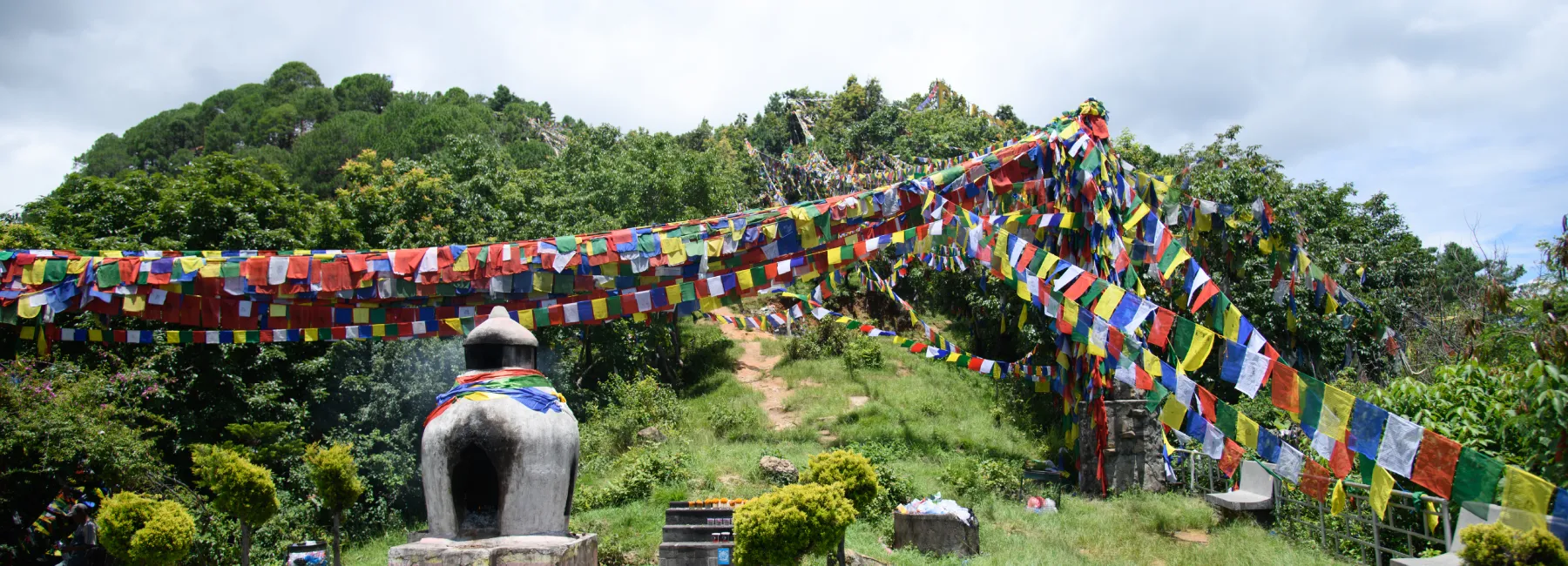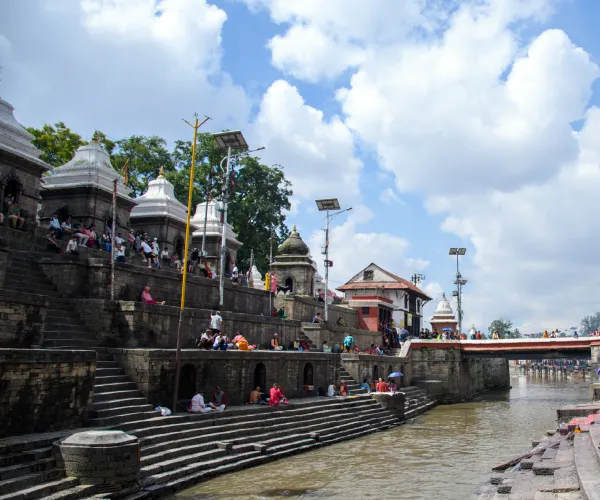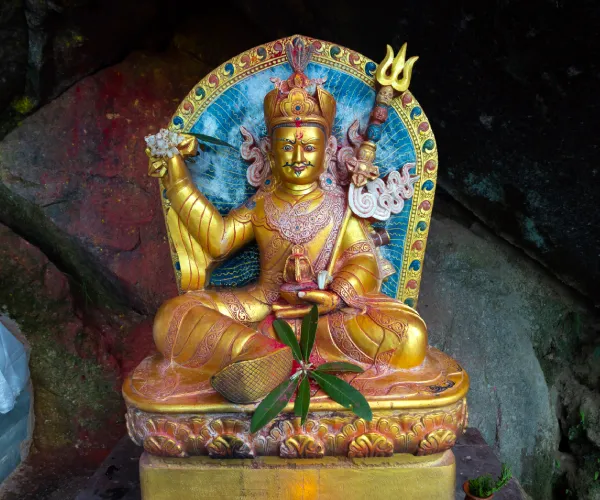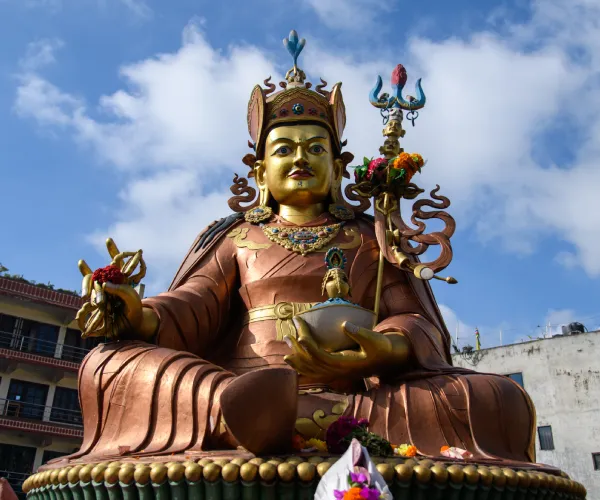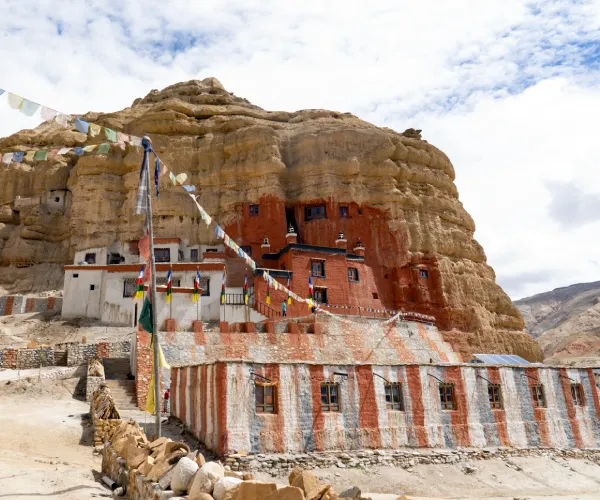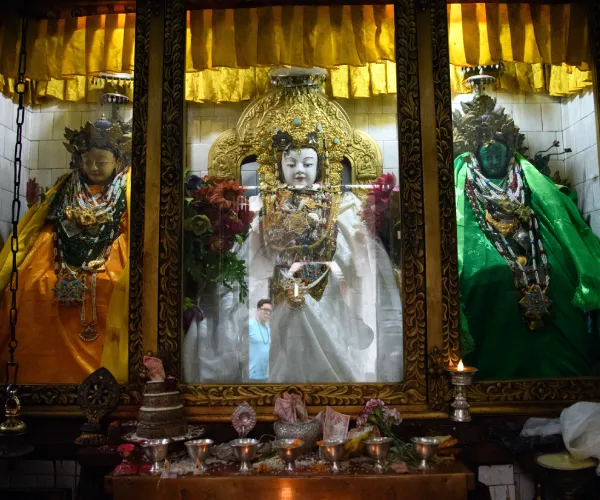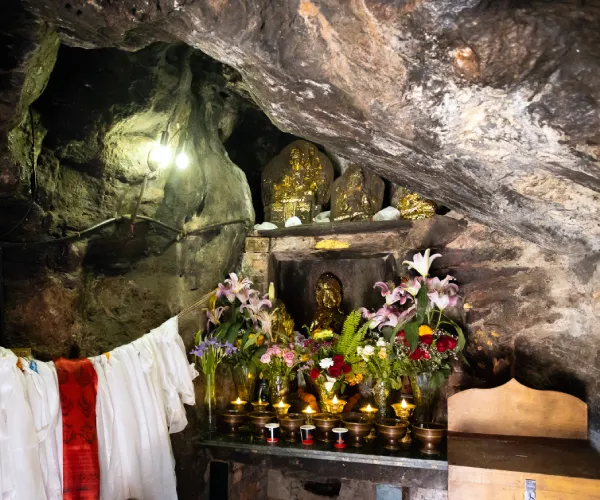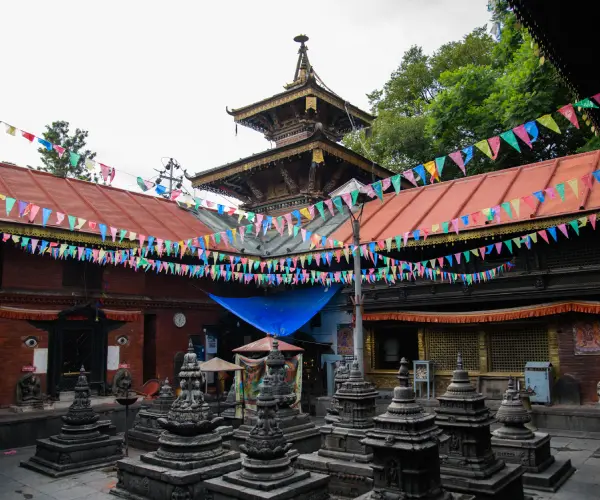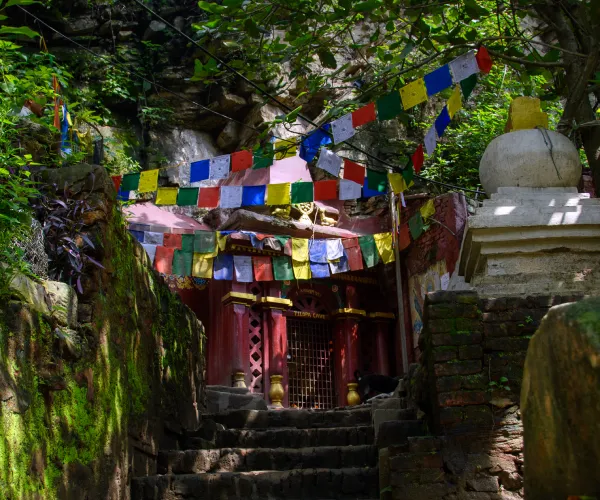
Nepal is not just the birthplace of Shakyamuni Buddha, the historical Buddha—it is also one of the last remaining landscapes where the entire lineage of Vajrayana (Vajrayana) Buddhism is still alive, practiced, preserved, and celebrated in its original cultural form. From the snow mountains of the Himalayas to the hidden tantric caves, from ancient Newar Buddhist temples to sacred Padmasambhava meditation sites, Nepal remains a living mandala of enlightenment.
To walk through Nepal as a Vajrayana seeker is not simply tourism— It is a pilgrimage into the mystical, tantric, and esoteric heart of Buddhism.
This Vajrayana Buddhism Tour in Nepal has been designed for those who wish to:
Deeply connect with Nepal’s spiritual heritage
There is no country on earth where Vajrayana Buddhism exists in such complete, authentic, and unbroken form as Nepal. Vajrayana came from India—but it survived in Nepal.
Here’s why Nepal is the best destination for a Vajrayana spiritual tour:
✔ Birthplace of Shakyamuni Buddha (Lumbini)
Even though Vajrayana developed later, it is inseparable from the life and teachings of Buddha.
✔ Land of Guru Padmasambhava’s Enlightenment & Empowerments
Pharping (Nepal) is the site where Guru Rinpoche achieved the highest realization, before bringing Vajrayana to Tibet.
✔ Home of the Newar Vajrayana Tradition
The only surviving ancient tradition practiced since the Licchavi & Malla periods.
✔ Thousands of Stupas, Chaityas, Tantric Shrines, and Caves
Nepal is literally a sacred museum of centuries-old Vajrayana culture.
✔ Best Place to Learn Rituals, Teachings & Buddhist Art
Artists, scholars, monks, and lineages thrive here.
✔ Practiced Daily — Not Just Preserved in Texts
Vajrayana is woven into the festivals, rituals, and daily life of Kathmandu Valley.
For practitioners, scholars, and spiritually curious travelers, Nepal is a sacred classroom and a living mandala.
Vajrayana (Vajrayana) Buddhism arose as the most esoteric branch of Mahayana Buddhism, flourishing between the 6th–12th centuries CE. While India was the philosophical birthplace of Vajrayana, Nepal became its sanctuary, transmitter, and living museum.
Origins in India
Vajrayana emerged through:
When Buddhism declined in India, many monks, yogis, and artists fled to Nepal and Tibet. Nepal became a safe bridge for preserving teachings.
Why Vajrayana Thrived in Nepal
Nepal offered:
Vajrayana is often described as the “lightning path” — the path that allows practitioners to reach enlightenment in one lifetime through skillful means and deep realization.
Core Philosophical Foundations
1. Emptiness (Śūnyatā)
Everything is empty of inherent existence. Liberation comes through realizing this not as a concept, but as lived experience.
2. Bodhicitta
Compassion is the engine of tantric transformation. Without compassion, tantra becomes powerless.
3. Transformation, Not Renunciation
Instead of rejecting human emotions, Vajrayana transforms them
\This is the alchemy of the mind.\
4. Deity Yoga (Yidam Practice)
You visualize yourselfas the deity, dissolving your ordinary identity.
5. Mandala
A symbolic map of the enlightened universe — both external and internal.
6. Guru Principle
The guru is the mirror of your own awakened mind. Especially important in Padmasambhava traditions.
Why This Philosophy Thrives in Nepal
Nepal’s integration of ritual, art, community life, and tantric symbolism provides a natural environment where Vajrayana philosophy becomes alive and experiential—not just theoretical.
Nepal is a pilgrimage land filled with sacred power places, caves, monasteries, stupas, hidden valleys, and tantric shrines.
Below are the most important ones included in your tour:
Major Vajrayana Sacred Sites
1. Swayambhunath Stupa
The birthplace of Vajrayana in Nepal.
Mythology says the stupa emerged from a lotus when Kathmandu was a lake.
Key Highlights:
Harati Devi temple
Manjusri legend
Ancient Vajrayana shrines
2. Boudhanath Stupa
One of the largest stupas in the world, and the heart of Tibetan Buddhism in Nepal. Thousands of monks, nuns, yogis, and lay practitioners perform circumambulations daily.
3. Namo Buddha
Sacred site where Prince Mahasattva offered his body to a starving tigress—representing the ultimate perfection of compassion.
Guru Padmasambhava (Guru Rinpoche) Sacred Sites
1. Pharping – Asura Cave
Guru Rinpoche attained Maha Sambodhi (great enlightenment) here. Pilgrims often feel strong energy during meditation, and the caves are a living center for tantric practice and reflection.
2. Yangleshö (Pharping)
A sacred site of Guru Rinpoche’s tantric practices, blessed by Vajrayogini, this location remains a vibrant spiritual hub where devotees perform rituals and meditation.
3. Maratika Cave (Halesi)
Here, Guru Rinpoche and his consort Mandarava accomplished the immortality practice (Long Life Tantra). Maratika continues to be a highly revered pilgrimage destination attracting devotees from Nepal, India, and Tibet.
4. Beyuls (Hidden Valleys)
Beyuls are sacred hidden valleys in the Himalayan regions of Nepal believed to be blessed by Guru Rinpoche. Pilgrims journey here for spiritual retreat, meditation, and to experience untouched natural sanctuaries where tantric teachings were practiced in seclusion.
5. Helambu Region
This remote Himalayan region is associated with Guru Rinpoche’s travels and teachings. Pilgrims visit Helambu to explore ancient monasteries, meditate in serene landscapes, and connect with living Himalayan Buddhist traditions.
6. Timal (Rasuwa District)
A sacred retreat site linked to Guru Rinpoche’s tantric practice and Vajrayana meditation. Timal is known for its peaceful environment and proximity to high-energy meditation caves that draw both local and international pilgrims.
Major Vajrayogini Temples
1. Sankhu Vajrayogini Temple
The most ancient and powerful Vajrayogini shrine in Nepal.
Known for:
red-faced Vajrayogini
Vajrayogini Jatra
tantric rituals
ancient stone carvings
2. Pharping Vajrayogini Temple
Close to Padmasambhava’s caves. Represents the feminine tantric energy that empowered Guru Rinpoche.
3. Nagarjun Vajrayogini Temple
Located deep inside Nagarjun forest. Known for hermit monks, meditation caves, and high-level practices.
4. Bijeshwari Vajrayogini Temple
Near Swayambhunath. A center where Hindu and Buddhist tantric traditions combine.
Sub Vajrayogini Temples
1. Champa Vajrayogini Temple (Lalitpur)
Strong Newar Vajrayana lineage, unique rituals.
2. Vajrabarahi Vajrayogini Temple
A sacred blend of Buddhist tantric goddess worship and Hindu Shakti tradition.
3. Guhyeshwari Vajra Yogini Temple
One of the most powerful tantric temples in Nepal and a Shakti Peeth. Tightly connected with Vajrayana initiations and sacred feminine wisdom.
Your journey through Nepal’s Vajrayana heritage is built as a sacred mandala:
✔ Outer Pilgrimage — Visiting the Sites
Temples, stupas, caves, monasteries, hermitages.
✔ Inner Pilgrimage — Understanding the Teachings
Tantric symbolism, mandalas, rituals, philosophy.
✔ Secret Pilgrimage — Personal Transformation
Deep meditation, blessings, spiritual insight.
✔ We specialize in Buddhist pilgrimage tours
Not generic tour operators—this is our expertise.
✔ Deep knowledge of Vajrayana culture
Guides trained in Buddhist studies, Newar Buddhism, art history, and Himalayan tantra.
✔ Access to sacred places
We take you not only to famous temples but also hidden caves, secret hermitages, and lesser-known Vajrayogini shrines.
✔ Flexible, personalized itineraries
Monastery stays, meditation sessions, rituals, and teachings can be arranged.
✔ Ethical, culturally sensitive travel
We honor local tradition and ensure your pilgrimage is respectful and meaningful.
Walk the paths of enlightened masters. Receive blessings from sacred sites. Experience the living wisdom of Vajrayana.
👉 Contact us to customize your Vajrayana Buddhist Tour
👉Plan your spiritual journey today
👉 Book now and receive a personalized itinerary
Nirvana Journey is the dedicated spiritual travel division of Asia Buddhist Tours & Treks, specializing in authentic Buddhist pilgrimages, sacred journeys, and transformative experiences across the Himalayan region asiabuddistours.com
© Copyright 2026, The copyright to all content on this website, including photographs, belongs to Nirvana Journey Pvt. Ltd. and cannot be reproduced without our permission. © Nirvana Journey Pvt. Ltd 2026